
Introduction
Artificial Intelligence, often called AI, is everywhere today — from smartphones and search engines to online shopping and social media. Yet for many people, AI still feels confusing or mysterious. Is it a robot? Is it thinking like humans? Or is it something completely different?
In this article, we’ll explain how artificial intelligence works in simple terms. No technical jargon, no complex mathematics — just a clear and practical explanation that anyone can understand.
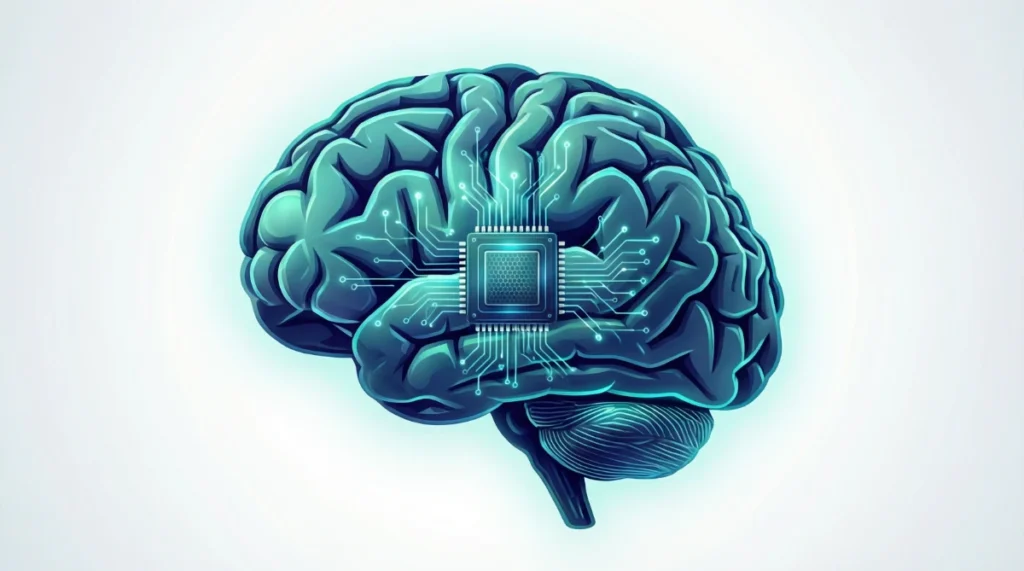
What Is Artificial Intelligence?
Artificial Intelligence is a branch of computer science that focuses on creating machines and software that can perform tasks usually requiring human intelligence.
In simple words, AI allows computers to learn from data, recognize patterns, and make decisions without being explicitly programmed for every situation.
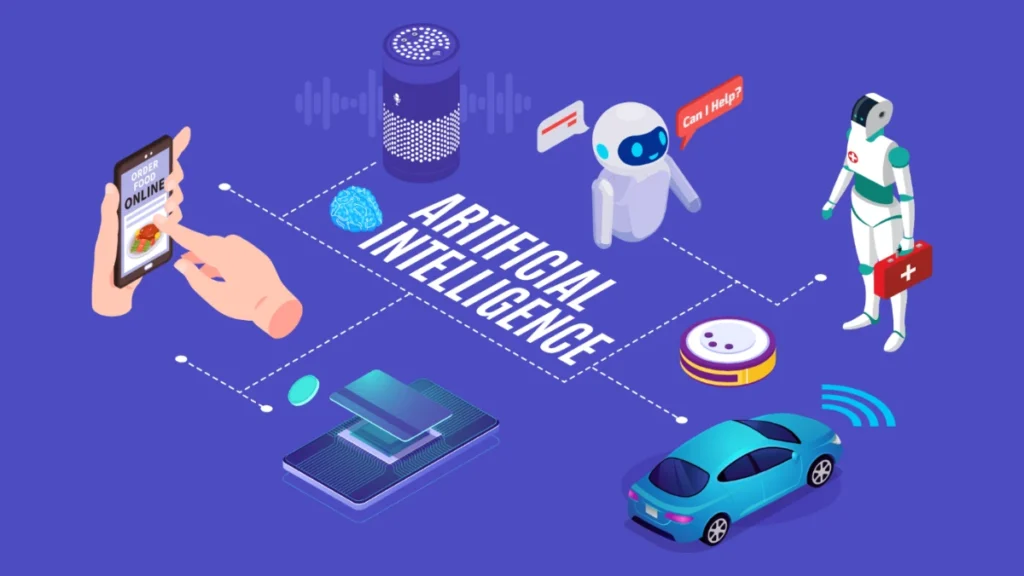
Examples of AI include:
- Voice assistants like Siri or Google Assistant
- Recommendation systems on YouTube or Netflix
- Face recognition on smartphones
AI does not think or feel like humans. It follows rules, data, and patterns created by humans.
How Does Artificial Intelligence Work?
At its core, artificial intelligence works through three main components:
1. Data
AI systems need large amounts of data to learn. This data can include:
- Images
- Text
- Videos
- Numbers
- User behavior
The more relevant data an AI system has, the better it can perform its task.
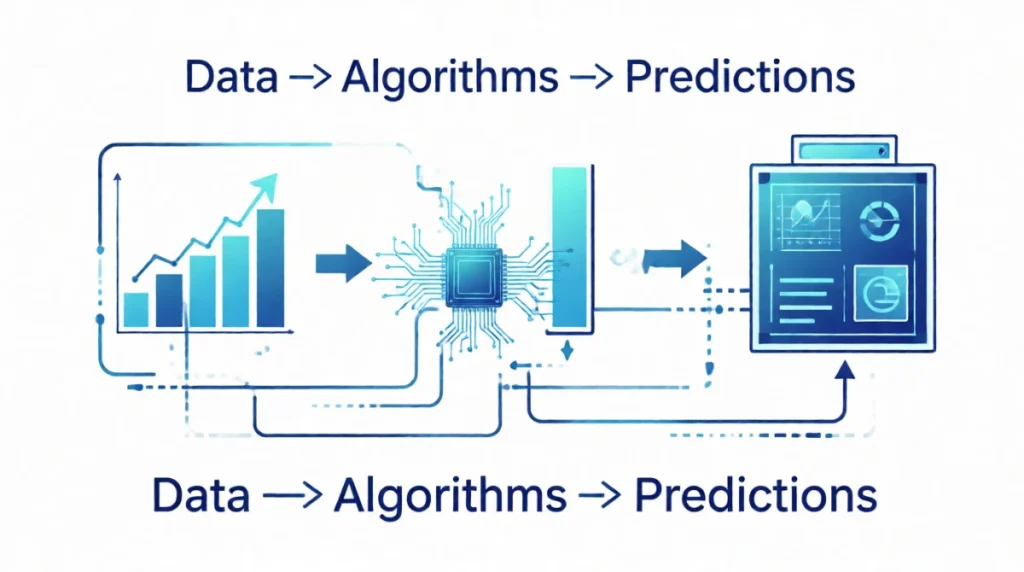
2. Algorithms
Algorithms are sets of instructions that tell a computer how to process data. In AI, algorithms help the system:
- Identify patterns
- Compare information
- Improve results over time
Think of algorithms as the “rules” AI follows to learn from data.
3. Learning from Experience
Most modern AI systems use a technique called machine learning. Instead of being programmed with fixed rules, the system learns by:
- Making predictions
- Checking errors
- Adjusting itself to improve accuracy
For example, if an AI system is trained to recognize cats in images, it improves by seeing thousands of cat photos and learning what features define a cat.
Artificial intelligence relies heavily on machine learning techniques that allow systems to learn from data.
Types of Artificial Intelligence
Artificial intelligence is commonly divided into two main types:
Narrow AI
Narrow AI is designed to perform one specific task. Almost all AI systems today fall into this category.
Examples:
- Email spam filters
- Voice assistants
- Recommendation systems
General AI
General AI refers to machines that can think and learn like humans across many tasks. This type of AI does not exist yet and is still a topic of research and debate.
Real-World Examples of AI
AI is already present in daily life, frequently going unnoticed.
Some common examples include:
- Search engines ranking results
- Online stores suggesting products
- Navigation apps predicting traffic
- Social media filtering content
These systems analyze user data to provide faster and more accurate results.
Benefits of Artificial Intelligence
Artificial intelligence offers many advantages:
- Automates repetitive tasks
- Improves efficiency and accuracy
- Helps analyze large amounts of data
- Enhances user experience
- Supports innovation in healthcare, education, and science
When used responsibly, AI can significantly improve productivity and decision-making.
Limitations and Concerns
Despite its benefits, AI also has limitations:
- Depends heavily on data quality
- Can reflect human bias present in data
- Lacks creativity and emotional understanding
- Raises privacy and ethical concerns
AI systems are tools created by humans, and their impact depends on how they are designed and used.
Conclusion
Artificial intelligence is not magic or science fiction—it is a powerful technology built on data, algorithms, and learning methods. Understanding how artificial intelligence works helps us see how machines can analyze information, learn from patterns, and make decisions that improve everyday experiences.
While AI can perform impressive tasks, it does not replace human intelligence; instead, it supports and enhances it by increasing efficiency and accuracy. As AI continues to evolve, it will become even more integrated into our daily lives.
By understanding how artificial intelligence works, we can use it more effectively and responsibly, preparing for a future where humans and intelligent systems collaborate more closely to solve complex problems and drive innovation.