
Introduction
What is machine learning? Machine learning is one of the most important technologies shaping the modern digital world. Understanding what is machine learning helps explain how systems learn from data and improve their performance without being explicitly programmed.
From Netflix recommendations to spam email filtering, machine learning works quietly behind the scenes to make digital systems smarter and more efficient. It is widely used in everyday applications such as online shopping, search engines, and personalized content.
But what is machine learning in simple terms, and how does it actually work? In this guide, we will explore the basics of what is machine learning, its key concepts, and real-world examples to help you understand this powerful technology.
This beginner-friendly guide explains Machine Learning in simple terms, without technical jargon, so anyone can understand it.
Table of Contents
What Is Machine Learning?
Machine Learning is a branch of Artificial Intelligence (AI) that allows computers to learn from data and improve their performance without being explicitly programmed for every task. For a complete understanding, read our Artificial Intelligence complete beginner guide
Instead of following fixed rules, a Machine Learning system analyzes patterns in data, learns from past examples, and makes predictions or decisions based on what it has learned.
In simple words:
Machine Learning teaches computers to learn from experience, just like humans do. To understand advanced AI systems, it helps to explore how deep learning works in real-world applications.

How Is Machine Learning Different from Traditional Programming?
In traditional programming:
- A human writes rules
- The computer follows those rules exactly
- Output is fixed based on instructions
In Machine Learning:
- The computer is given data
- It finds patterns on its own
- The system improves over time
This makes Machine Learning especially powerful for tasks where rules are complex or constantly changing.
How Machine Learning Works (Step by Step)
1. Data Collection
Everything starts with data. This can include:
- Images
- Text
- Numbers
- Audio or video
The more relevant and high-quality data a system has, the better it can learn.
2. Training the Model
The system analyzes the data and looks for patterns. This process is called training. During training, the Machine Learning model learns relationships between inputs and outputs.
For example:
- Email content → spam or not spam
- Customer behavior → product recommendations
3. Making Predictions
Once trained, the model can make predictions on new, unseen data. Over time, it can be updated with more data to improve accuracy.
Types of Machine Learning
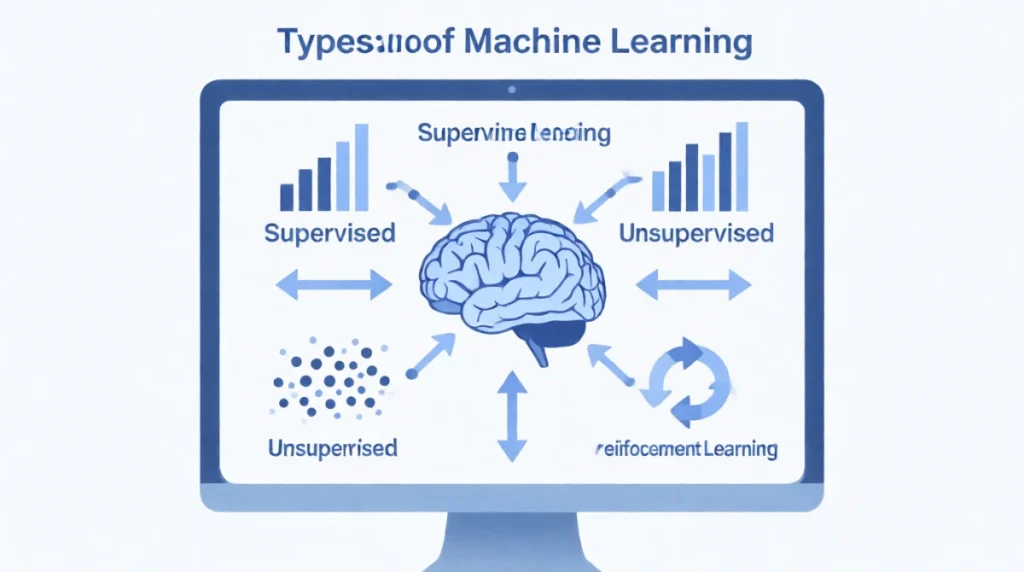
There are three main types of Machine Learning used today.
1. Supervised Learning
In supervised learning, the system is trained using labeled data. This means the correct answers are already known.
Example:
- Emails labeled as “spam” or “not spam”
- Photos labeled as “cat” or “dog”
This is the most common type of Machine Learning
2. Unsupervised Learning
Here, the system works with unlabeled data. It tries to discover patterns or group similar items on its own.
Example:
- Grouping customers based on shopping behavior
- Identifying unusual activity in financial data
3. Reinforcement Learning
In reinforcement learning, the system learns by trial and error. It receives rewards for correct actions and penalties for wrong ones.
Example:
- Self-driving cars
- Game-playing AI systems
Real-World Examples of Machine Learning
Recommendation Systems
Platforms like YouTube and Amazon use Machine Learning to suggest content based on your activity and preferences.
Image Recognition
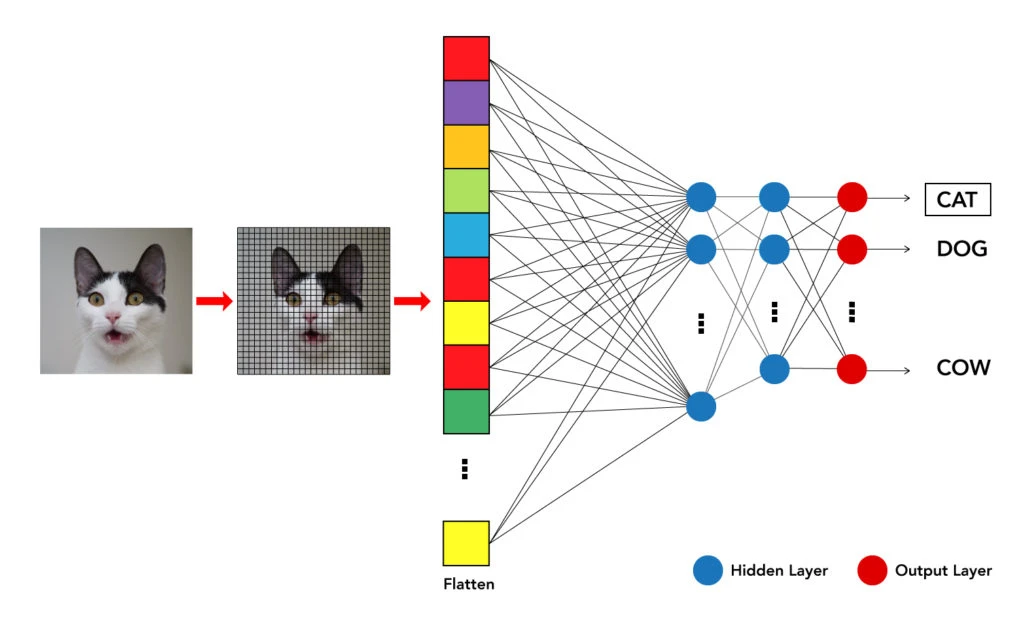
Machine Learning helps computers identify faces, objects, and handwriting in images.
Voice Assistants
Voice assistants understand speech and respond accurately using Machine Learning models trained on massive datasets. Many modern AI systems rely on deep learning examples in everyday life, such as voice assistants, self-driving cars, and medical image analysis.
Fraud Detection
Banks use Machine Learning to detect suspicious transactions by analyzing spending patterns.
Why Machine Learning Is Important
Machine Learning:
- Handles large amounts of data efficiently
- Improves accuracy over time
- Automates complex decision-making
- Enables personalized user experiences
As data continues to grow, Machine Learning becomes even more essential.
Is Machine Learning Safe?
Machine Learning itself is neutral—it depends on how humans use it. Ethical concerns include:
- Data privacy
- Bias in training data
- Transparency of decision-making
Responsible development and regulation are crucial to ensure safe usage.
For a deeper understanding, you can explore what is machine learning according to IBM.
Machine Learning vs Artificial Intelligence
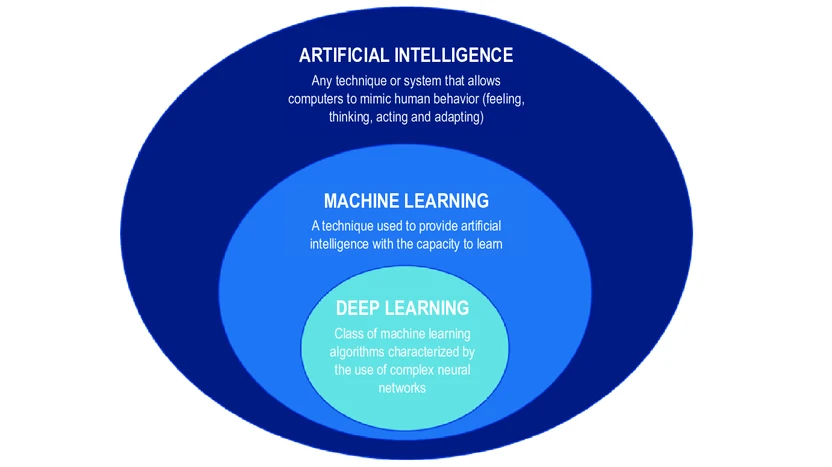
Artificial Intelligence is the broader concept of machines performing intelligent tasks.
Machine Learning is a subset of AI that focuses specifically on learning from data.
Think of it this way:
All Machine Learning is AI, but not all AI is Machine Learning.
Future of Machine Learning
Machine Learning is expected to:
- Improve healthcare diagnostics
- Enhance education through personalization
- Optimize energy usage
- Advance scientific research
As computing power and data availability increase, Machine Learning will continue to evolve rapidly.
Final Thoughts
Machine Learning is no longer a futuristic concept—it’s already part of daily life. From smartphones to online services, it quietly powers many of the tools we rely on every day.
Understanding the basics of Machine Learning helps you better understand how modern technology works and where it is heading.