
Introduction
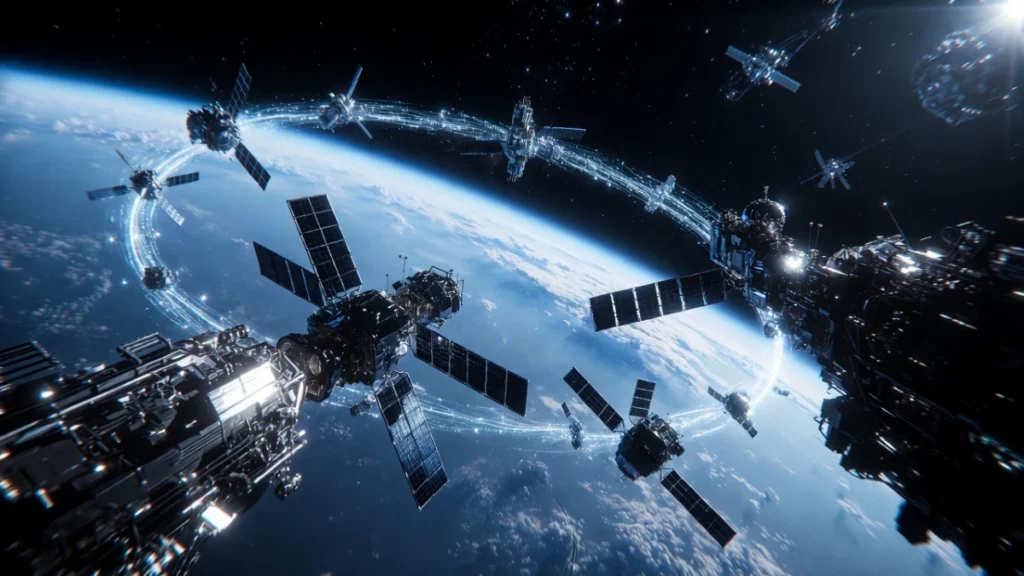
Space technology is no longer limited to astronauts and distant planets. In 2026, innovations developed for space exploration are actively improving communication, navigation, climate monitoring, and even everyday consumer technology on Earth. What happens beyond our planet increasingly shapes how we live on it.
Table of Contents
What Is Space Technology?
Space technology includes tools, systems, and innovations designed for use in outer space. These technologies support satellites, space stations, rockets, and exploration missions, while also delivering valuable services back to Earth.
From satellite communication to Earth observation, space technology plays a vital role in modern society.
Many advancements in space systems are powered by artificial intelligence technologies that improve data analysis and automation.
Key Areas Where Space Technology Impacts Daily Life
Satellite Communication
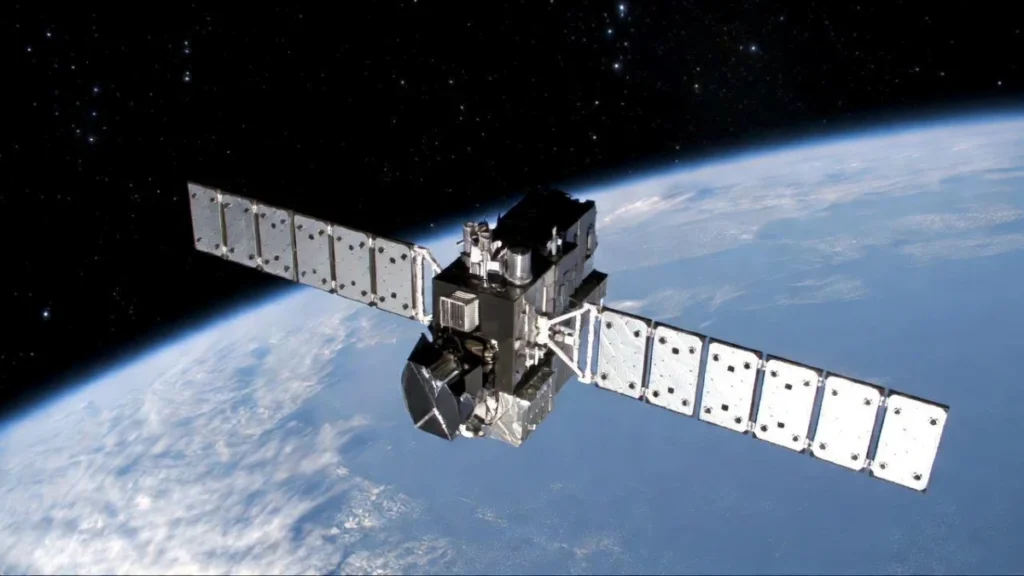
Satellite communication plays a crucial role in modern life by enabling seamless global connectivity. Satellites orbiting the Earth help power many everyday technologies that people rely on daily.
They enable essential services such as GPS navigation, which helps in transportation and travel, television broadcasting that delivers content worldwide, and internet connectivity in remote and rural areas where traditional networks are not available. In addition, satellites support accurate weather forecasting, allowing scientists to monitor climate patterns and predict natural disasters.
Organizations like NASA and SpaceX continue to expand satellite networks, improving global communication, enhancing internet access, and making technology more accessible across the world.
Earth Observation & Climate Monitoring
Modern space technology plays a vital role in monitoring the Earth’s environment and understanding climate changes. Advanced satellites collect real-time data that helps scientists study and analyze various environmental conditions across the globe.
These satellites help track climate change by observing temperature patterns, melting ice caps, and rising sea levels. They also monitor deforestation by capturing high-resolution images of forests, allowing authorities to detect illegal activities and environmental damage. In addition, space technology helps predict natural disasters such as hurricanes, floods, and wildfires, providing early warnings that can save lives.
Satellites also study ocean currents and atmospheric conditions, which are essential for understanding weather systems and global climate behavior. This valuable data supports governments, environmental organizations, and researchers in making informed decisions to protect the planet and promote sustainable development.
Rocket & Launch Technology
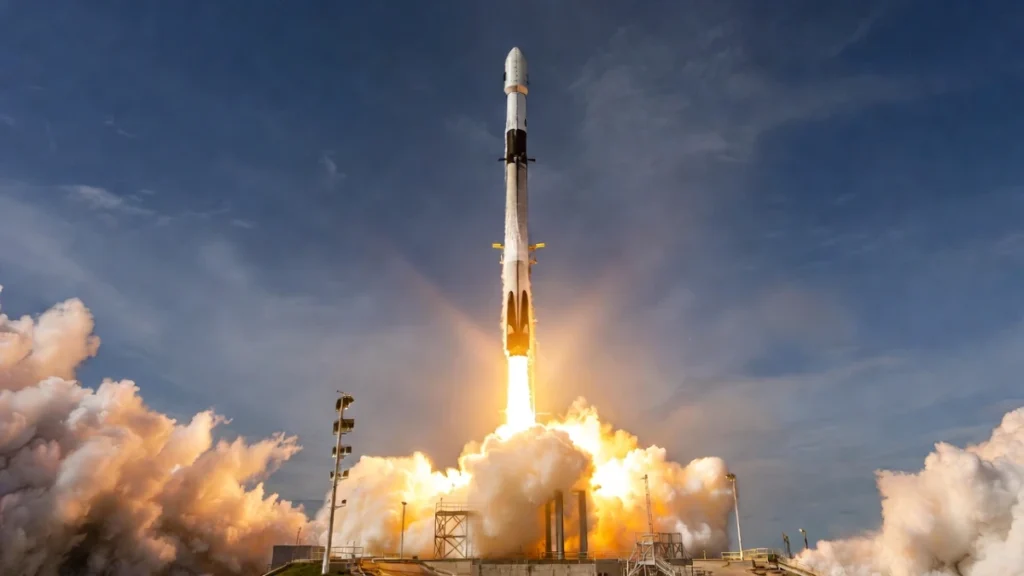
Rocket and launch technology has advanced significantly in recent years, transforming the space industry. One of the biggest breakthroughs is the development of reusable rockets, which has dramatically reduced the cost of space travel. Instead of being used once and discarded, these rockets can be recovered and reused, making space missions more affordable and sustainable.
Modern launch systems are also faster, more efficient, and more reliable than ever before. This progress allows for more frequent space missions, enabling quicker deployment of satellites for communication, navigation, and scientific research. It also supports the growth of commercial satellite services, which are essential for global connectivity and data transmission.
In addition, advancements in rocket technology are opening the door to space tourism, allowing private individuals to experience space travel. Companies around the world are investing heavily in this field, making space more accessible than ever before. Overall, innovation in rocket and launch technology is accelerating global space activity and shaping the future of space exploration.
Space Technology and Scientific Research
Space technology plays a crucial role in advancing scientific research by providing unique conditions that are not possible on Earth. Experiments conducted in space, especially in microgravity environments, allow scientists to study physical and biological processes in new and more accurate ways.
Space-based research enables important developments in medical science, such as understanding how diseases behave in microgravity and improving drug development. It also supports advanced materials testing, where scientists can create and study stronger, lighter, and more durable materials that can be used in industries like construction, transportation, and electronics.
In addition, space experiments help improve our understanding of fundamental physics and biology, offering insights into how the universe works and how life adapts in extreme conditions. These discoveries often lead to innovations that benefit life on Earth.
Organizations like the European Space Agency (ESA) collaborate with international partners to conduct research missions, share knowledge, and push the boundaries of scientific discovery. Their work continues to drive innovation and expand our understanding of space and Earth alike.
Challenges in Space Technology
Despite rapid advancements, space technology still faces several significant challenges that must be addressed for sustainable growth. One of the biggest challenges is the high development cost associated with building, launching, and maintaining space systems. These expenses can limit participation to only a few countries and organizations.
Another major concern is space debris management. Thousands of defunct satellites and fragments are orbiting the Earth, posing risks to active satellites and future missions. Managing and reducing this debris is essential to ensure safe space operations.
Long-term mission sustainability is also a challenge, especially for deep-space exploration. Missions require reliable life support systems, energy sources, and advanced technologies to support astronauts and equipment over extended periods.
In addition, international regulations and cooperation are critical. Space is a shared resource, and clear global policies are needed to manage activities, avoid conflicts, and ensure responsible use.
Addressing these challenges is crucial for the future of safe, sustainable, and efficient space exploration, enabling continued innovation and global collaboration.
The Future of Space Technology
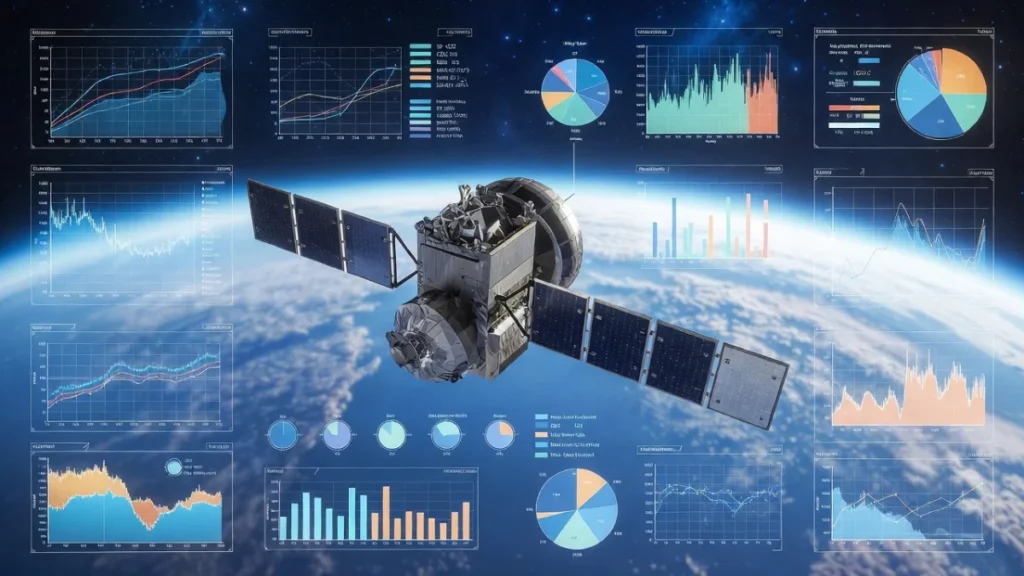
Looking ahead, the future of space technology appears highly promising, with rapid innovation shaping new possibilities beyond Earth. Experts predict a significant expansion of satellite internet, which will provide faster and more reliable connectivity even in remote and underserved regions around the world.
Human missions to Mars are also becoming more realistic, as space agencies and private companies continue to develop advanced spacecraft and life-support systems. These missions could open new opportunities for exploration and scientific discovery.
Another exciting development is the growth of space-based manufacturing, where materials can be produced in microgravity conditions to achieve higher quality and efficiency than on Earth. This could revolutionize industries such as medicine, electronics, and materials science.
In addition, stronger international cooperation is expected, with countries and organizations working together to share resources, knowledge, and technology. This collaboration will help reduce costs and accelerate innovation.
Overall, space technology is expected to play a major role in solving global challenges on Earth, including improving communication, monitoring the environment, and supporting sustainable development.
For more insights, you can explore how space technology is developed and used by NASA.
Conclusion
Space technology is no longer just about exploring the unknown—it has become a powerful force in improving life on Earth. From enhancing global communication and enabling accurate weather forecasting to supporting scientific research and environmental monitoring, its impact is visible in many aspects of our daily lives.
As innovation continues to accelerate beyond Earth, space technology is driving progress in areas such as sustainability, disaster management, and global connectivity. It is helping solve real-world challenges while opening new opportunities for growth and development.
In the coming years, space technology will play an even greater role in shaping the future, making life more efficient, connected, and secure. By bridging the gap between space and Earth, it continues to transform how we live, work, and understand our world.