
Introduction
The Internet of Things, commonly known as IoT, is one of the most important technologies shaping the modern digital world. It refers to a network of physical devices that are connected to the internet and capable of collecting and exchanging data.
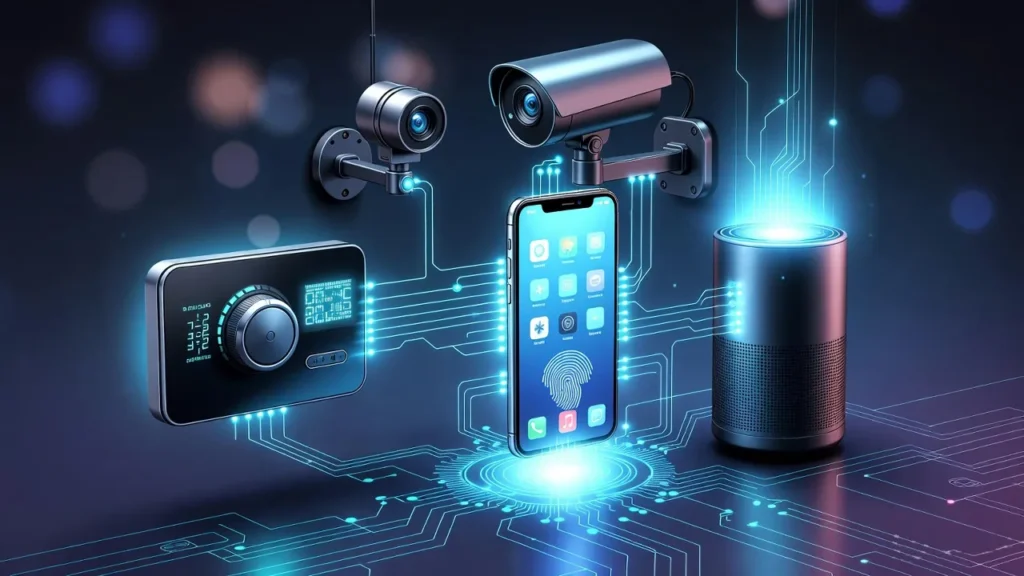
These devices can include smartphones, smart home appliances, wearable fitness trackers, security cameras, and industrial machines. By connecting these devices, IoT allows them to communicate with each other and automate many everyday tasks.
Today, IoT technology is used in homes, cities, healthcare, transportation, and manufacturing. As more devices become connected, the Internet of Things continues to transform how people live and work.
Table of Contents
What Is the Internet of Things?
The Internet of Things is a system of interconnected physical devices that communicate with each other through the internet. These devices are equipped with sensors, software, and connectivity features that allow them to collect and share data.
For example, a smart thermostat can monitor room temperature and automatically adjust heating or cooling based on user preferences. Similarly, wearable fitness devices track health metrics such as heart rate and activity levels.
IoT devices often rely on technologies such as artificial intelligence and edge computing to analyze data and make decisions.
How IoT Works
IoT systems typically operate through several components working together.
Sensors and Devices
IoT devices use sensors to collect data from the environment. These sensors can measure temperature, motion, light, location, and many other variables.
Connectivity
The collected data is transmitted through internet connections such as Wi-Fi, Bluetooth, or cellular networks.
Data Processing
Once the data is received, it is processed using cloud computing or edge computing technologies.
User Interface
Users can access information through mobile apps, dashboards, or automated systems that respond to the collected data.
Examples of IoT Devices
Many common devices today use IoT technology.
Smart Home Devices
Smart home systems allow users to control lighting, thermostats, security cameras, and appliances remotely through smartphones.
Wearable Technology
Fitness trackers and smartwatches monitor health data such as heart rate, sleep patterns, and daily activity levels.
Smart Cities
Cities use IoT sensors to monitor traffic flow, manage waste systems, and improve energy efficiency.
Industrial IoT
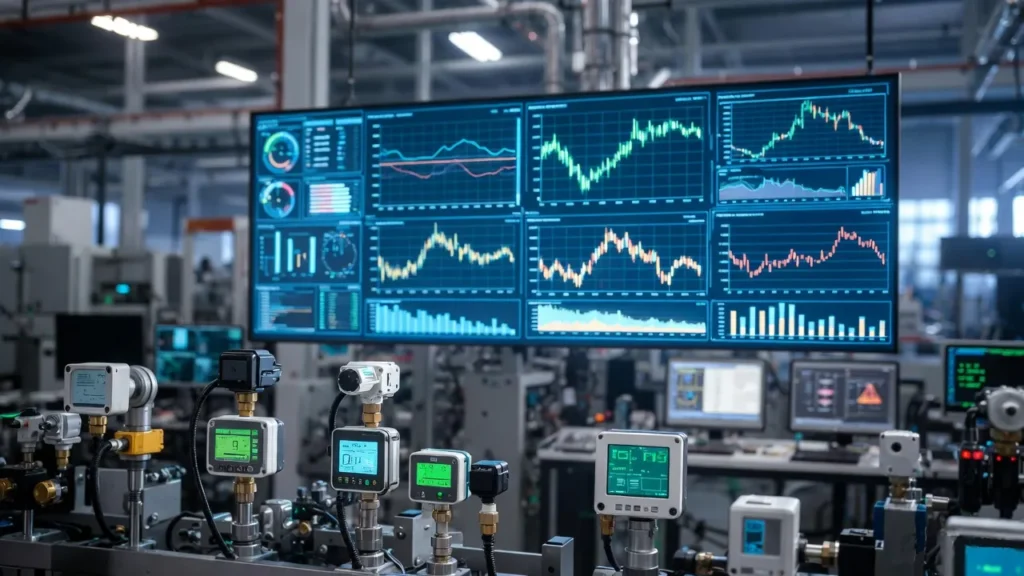
Factories use connected sensors to monitor equipment performance and detect maintenance issues before failures occur.
Benefits of IoT Technology
The Internet of Things offers several advantages across different industries.
Automation
IoT devices can automate tasks and reduce the need for manual monitoring.
Efficiency
Connected systems improve resource management in areas such as energy, transportation, and manufacturing.
Better Decision-Making
Real-time data collected by IoT devices helps organizations make more informed decisions.
Convenience
Smart devices make everyday activities easier by allowing users to control systems remotely.
Challenges and Security Concerns
Despite its benefits, IoT also has several drawbacks.
Cybersecurity Risks
Connected devices may become targets for cyberattacks if security measures are not properly implemented.
Privacy Concerns
IoT devices collect large amounts of personal data, raising concerns about how this information is stored and used.
Compatibility Issues
Different devices from different manufacturers may not always work together smoothly.
The Future of IoT
The Internet of Things is expected to grow rapidly as more devices become connected. Technologies such as 5G networks, artificial intelligence, and edge computing will further enhance IoT capabilities.
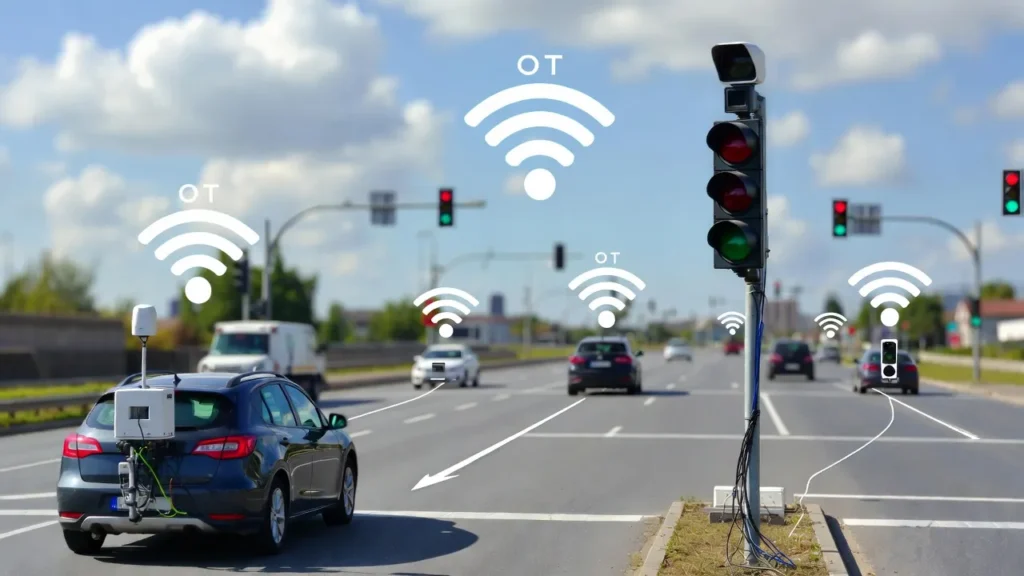
In the future, IoT could power smart transportation systems, intelligent healthcare monitoring, advanced agriculture technologies, and fully automated smart cities.
As the number of connected devices continues to increase, the Internet of Things will play a key role in shaping the digital world.
Conclusion
The Internet of Things is transforming how devices interact with each other and with people. By connecting everyday objects to the internet, IoT enables smarter homes, more efficient industries, and improved urban infrastructure.
As technology continues to evolve, IoT will become an even more important part of modern life, supporting innovation across multiple sectors.