

Introduction
Internet of Things security has become a critical issue as more smart devices connect to the internet. The Internet of Things (IoT) includes devices such as smart home systems, wearable devices, connected vehicles, and industrial sensors.
Table of Contents
While these technologies provide convenience and automation, they also create new cybersecurity risks. Without proper IoT security, hackers may exploit vulnerabilities in connected devices to gain access to networks or sensitive data.
As the number of IoT devices continues to grow, understanding Internet of Things security is essential for protecting digital systems and personal information.
What Is Internet of Things Security?
Internet of Things security refers to the technologies and strategies used to protect IoT devices and networks from cyberattacks.
IoT devices often collect and transmit data through the internet. If these devices are not properly secured, cybercriminals can exploit them to launch attacks or steal information. Strong IoT security practices help protect connected devices and networks from cyber threats and unauthorized access.
Effective IoT security includes encryption, secure authentication, software updates, and network monitoring.
Why Internet of Things Security Is Important
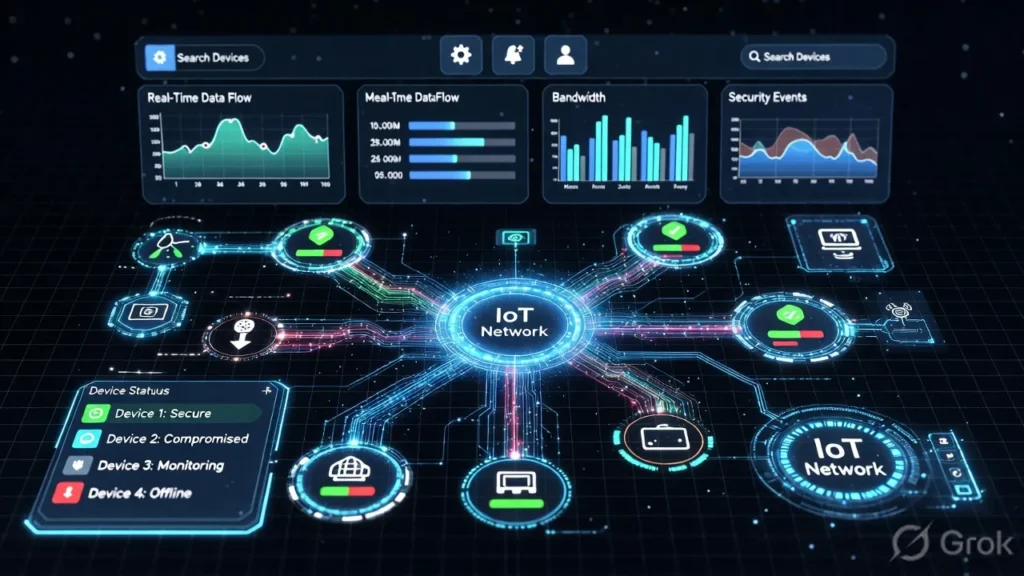
The number of connected devices worldwide continues to increase rapidly. Smart homes, smart cities, and industrial automation all rely heavily on IoT technology.
Without strong IoT security, attackers could gain control of connected devices or disrupt critical services.
For example:
- Hackers could access smart home cameras.
- Cybercriminals could attack connected medical devices.
- Industrial IoT systems could be targeted to disrupt operations.
These risks make Internet of Things security a top priority for organizations and individuals.
Common IoT Security Threats
1. Weak Passwords
Many IoT devices use default passwords that users never change. Attackers can easily exploit these weak credentials.
2. Outdated Software
Some devices do not receive regular security updates, leaving them vulnerable to known exploits.
3. Unsecured Networks
IoT devices connected to unsecured networks may allow hackers to intercept data.
4. Device Hijacking
Hackers may take control of vulnerable devices and use them to launch large-scale cyberattacks.
Best Practices for IoT Security
Improving Internet of Things security requires several protective measures.
1. Use Strong Passwords
Always replace default passwords with strong and unique credentials.
2. Keep Devices Updated
Manufacturers often release software updates to fix security vulnerabilities. Installing updates improves IoT security.
3. Secure Network Connections
Using encrypted networks and secure Wi-Fi connections helps protect IoT devices from unauthorized access.
4. Monitor Connected Devices
Regular monitoring helps detect suspicious activities and strengthen IoT security.
How Artificial Intelligence Helps IoT Security
Artificial intelligence is increasingly used to improve Internet of Things security.
AI systems can analyze large amounts of network data and identify unusual behavior that may indicate a cyberattack.
Machine learning algorithms can also help detect new types of threats that traditional security tools may miss.
The Future of Internet of Things Security

As IoT adoption continues to grow, the importance of Internet of Things security will increase. Governments, technology companies, and cybersecurity experts are developing new standards and technologies to improve the protection of connected devices.
Future IoT security solutions may include advanced encryption, AI-powered monitoring systems, and secure device authentication methods.
By implementing strong Internet of Things security, organizations can safely benefit from the advantages of connected technology.
Conclusion
Internet of Things security plays a vital role in protecting smart devices and digital networks from cyber threats. As the number of connected devices grows, improving IoT security will be essential for maintaining safe and reliable digital systems.
By using strong passwords, updating software regularly, and monitoring device activity, individuals and organizations can reduce risks and protect their IoT environments.