
Introduction
Smartphones today are much more than communication devices. Behind the scenes, Artificial Intelligence is powering many of the features we use every day. From camera enhancements and voice assistants to battery optimization and security, AI helps smartphones become faster, smarter, and more personalized. Understanding how AI works inside mobile devices reveals how deeply technology is shaping daily life.
Table of Contents
What Is AI in Smartphones?
AI in smartphones refers to software systems that can learn from user behavior, analyze data, and make intelligent decisions automatically. These systems use technologies such as machine learning and neural networks to improve performance, efficiency, and user experience.
Modern smartphones include special processors designed to handle AI tasks directly on the device, making features faster and more private.
AI in Smartphone Cameras
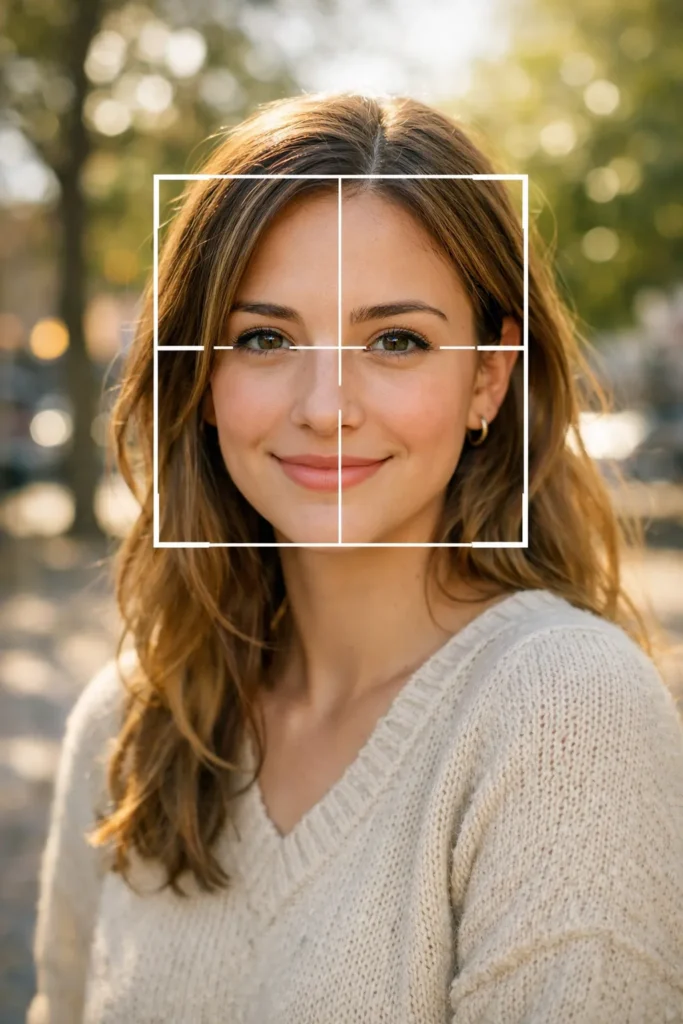
One of the most visible uses of AI is in photography:
- Automatic scene detection
- Portrait mode and background blur
- Low-light and night photography
- Face and object recognition
- Image stabilization
AI allows even ordinary users to take professional-quality photos without manual adjustments.
Voice Assistants and Smart Commands
Voice assistants rely heavily on AI to understand and respond to users:
- Recognizing speech accurately
- Understanding natural language
- Learning user preferences
- Controlling apps and smart devices
Services like voice search, reminders, and hands-free commands are made possible through AI-powered processing.
AI for Battery and Performance Optimization
AI helps smartphones manage resources efficiently:
- Predicting app usage patterns
- Closing unused background apps
- Optimizing CPU and memory usage
- Extending battery life
This makes phones faster while reducing energy consumption.
Security and Face Recognition
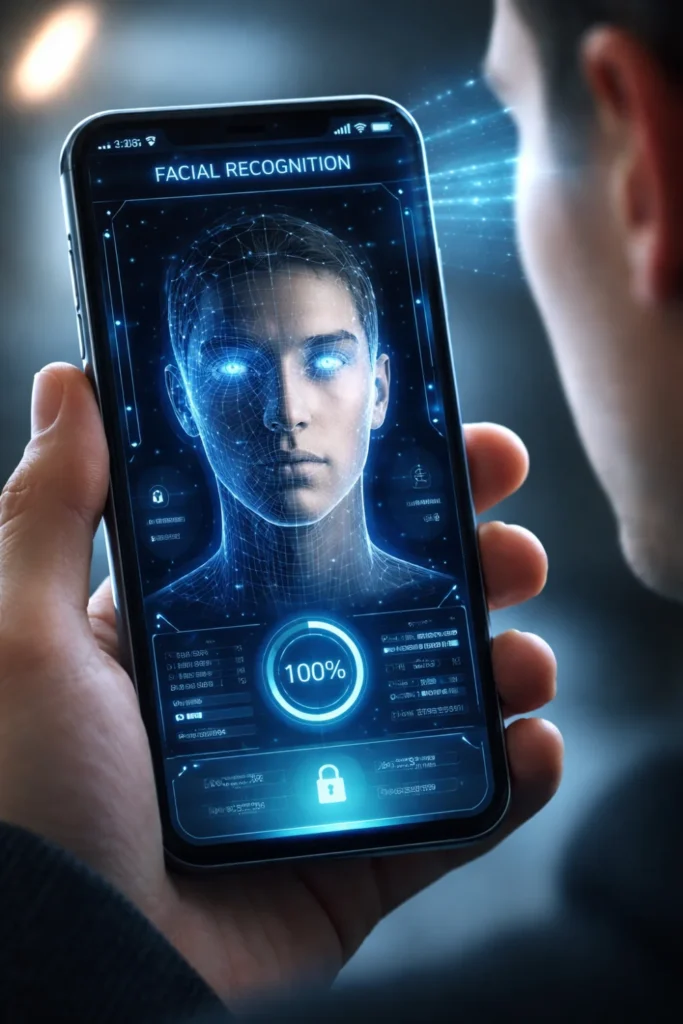
AI plays a major role in smartphone security:
- Facial recognition unlocking
- Fingerprint pattern analysis
- Fraud detection in payments
- App permission monitoring
Companies such as Apple and Samsung use AI to enhance biometric security and protect user data.
Personalization and Smart Suggestions
AI personalizes the smartphone experience by:
- Recommending apps and content
- Predicting next actions
- Adjusting notifications automatically
- Organizing photos and files
These features make devices feel more intuitive and user-friendly.
The Future of AI in Smartphones
In the coming years, smartphones may include:
- Real-time language translation
- Advanced health monitoring
- Smarter augmented reality
- Deeper integration with smart homes
As hardware and AI models improve, mobile devices will become even more intelligent personal assistants.
Conclusion
Artificial Intelligence is now an essential part of modern smartphones. By enhancing cameras, security, performance, and personalization, AI transforms ordinary devices into powerful digital companions. As innovation continues, smartphones will become smarter, more helpful, and more closely connected to everyday life.