
Introduction
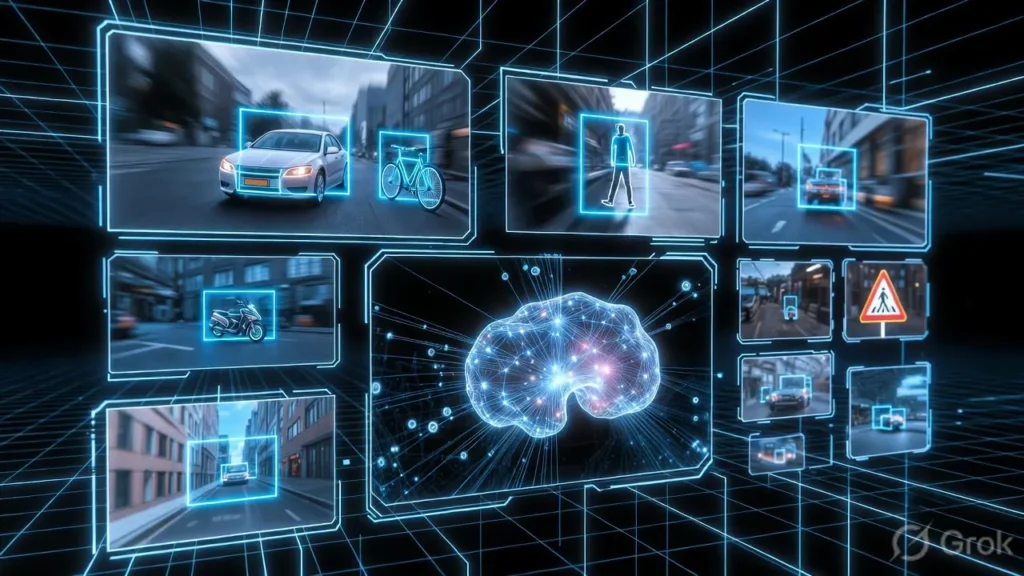
Computer vision is one of the most exciting areas of artificial intelligence. It allows machines to interpret and understand visual information from the world, similar to how humans use their eyes and brain to process images.
Today, this system powers many technologies we use every day. From facial recognition in smartphones to self-driving cars detecting pedestrians, this technology helps machines analyze images and videos to make intelligent decisions.
In this article, we will explore what image recognition technology is, how it works, and where it is used in the real world.
Table of Contents
What Is Computer Vision?
Computer vision is a field of artificial intelligence that enables computers to analyze and understand visual data such as images and videos.
Instead of simply storing pictures, computer vision systems can:
- Detect objects in images
- Recognize faces and patterns
- Track motion in videos
- Interpret visual scenes
These capabilities allow machines to make decisions based on visual information.
AI vision systems often use machine learning and deep learning models trained on large datasets of images.
How Image Recognition Rechnology Works
Computer vision systems typically follow several steps to analyze visual information.
Image Acquisition
First, the system captures images or video using cameras, sensors, or digital files.
Image Processing
Next, the image is processed using algorithms that detect edges, shapes, colors, and textures.
Feature Extraction
Important patterns or features are identified within the image. These may include facial features, objects, or specific shapes.
Machine Learning Models
Machine learning or deep learning models analyze these features to recognize objects or classify images.
Decision Making
Finally, the system uses this information to make decisions, such as identifying a person, detecting a vehicle, or recognizing handwriting.
Technologies Behind Computer Vision
Several advanced technologies power modern image recognition technology systems.
Neural Networks
Neural networks help computers learn patterns in images by analyzing large datasets.
Convolutional Neural Networks (CNNs)
CNNs are a type of deep learning model specifically designed to analyze images. They are widely used for image classification and object detection.
Edge AI
Some computer vision systems process images directly on devices such as smartphones or cameras using Edge AI.
Real-World Applications of Computer Vision
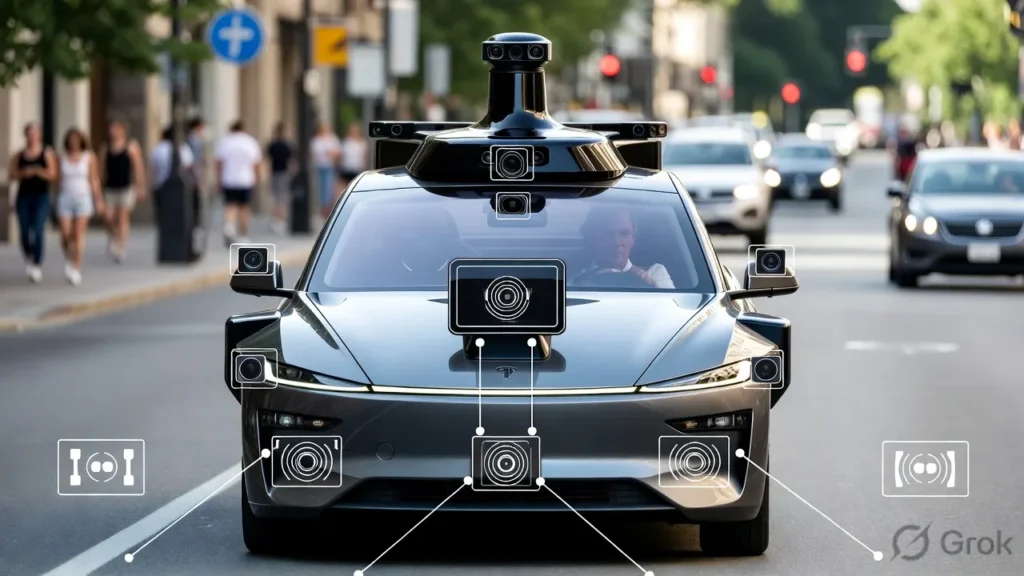
This technology is used in many industries today.
Facial Recognition
Smartphones and security systems use this technology to recognize faces and unlock devices.
Self-Driving Cars
Autonomous vehicles use image recognition technology to detect traffic signs, pedestrians, and road conditions.
Healthcare
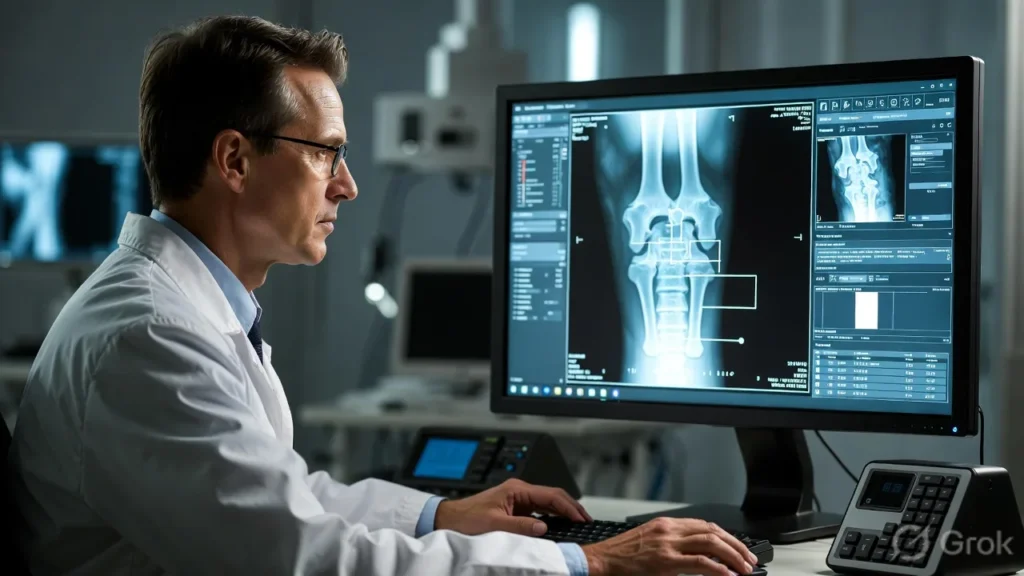
Doctors use this technology to analyze medical images such as X-rays, MRIs, and CT scans to detect diseases.
Retail
Stores use image recognition technology for automated checkout systems and inventory monitoring.
Agriculture
Farmers use this technology to monitor crops, detect plant diseases, and improve agricultural productivity.
Benefits of Computer Vision
This technology offers many advantages for businesses and society.
- Automates visual inspection tasks
- Improves accuracy in image analysis
- Enables faster decision-making
- Supports new technologies such as autonomous vehicles
Because computers can process images much faster than humans, image recognition technology can analyze large volumes of visual data efficiently.
Challenges of Image Recognition Technology
Despite its advantages, image recognition technology still faces several challenges.
- Difficulty recognizing objects in complex environments
- Sensitivity to lighting and image quality
- Large datasets required for training models
- Ethical concerns related to facial recognition
Researchers continue to improve algorithms and datasets to overcome these limitations.
The Future of Computer Vision
The future of computer vision looks promising as artificial intelligence continues to evolve.
New developments are expected in areas such as:
- autonomous transportation
- medical diagnostics
- smart cities
- augmented reality
- robotics and automation
As image recognition systems become more accurate and efficient, they will play an even greater role in shaping the future of technology.
Conclusion
This is a powerful branch of artificial intelligence that allows machines to interpret and analyze visual information. By combining machine learning, deep learning, and advanced image processing techniques, computer vision systems can recognize objects, analyze scenes, and make intelligent decisions.
From smartphones and healthcare to transportation and agriculture, AI-based image analysis is transforming how technology interacts with the world around us.