
Introduction
A VPN (Virtual Private Network) is a tool that helps protect your online privacy and secure your internet connection. In today’s digital world, where data breaches and cyber threats are increasing, using a VPN has become more important than ever.
Table of Contents
Many people use a VPN to browse safely, access restricted content, and protect sensitive information. Understanding how a VPN works can help you stay secure while using the internet.
What Is a VPN?
A VPN is a service that creates a secure and encrypted connection between your device and the internet. It hides your real IP address and routes your internet traffic through a remote server.
This process makes your online activity more private and protects your data from hackers and tracking systems.
A VPN is an essential tool in modern cybersecurity practices.
How a VPN Works
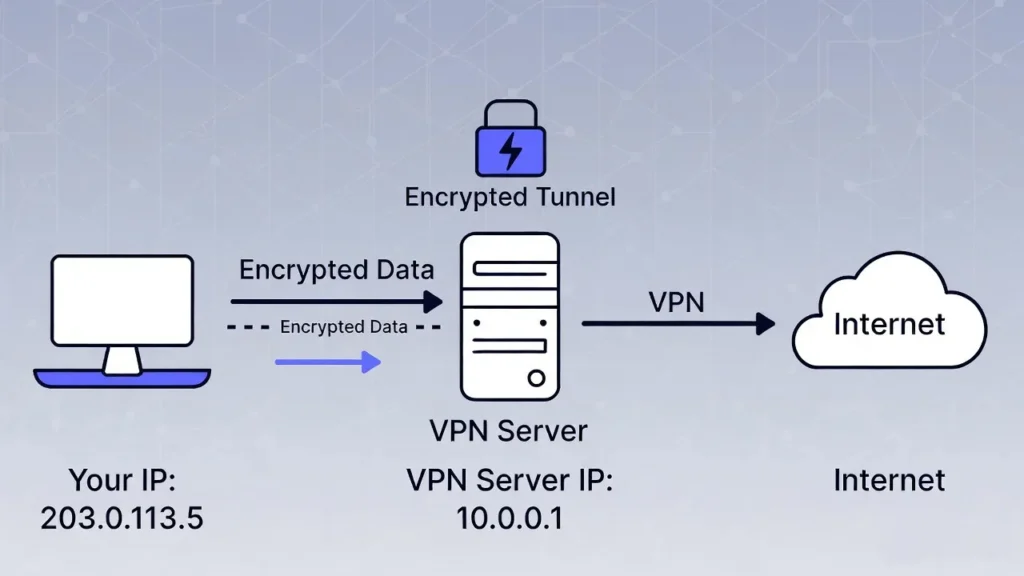
To understand how a VPN works, it is helpful to break it down into simple steps.
Encryption
A VPN encrypts your internet data, making it unreadable to unauthorized users.
Secure Tunnel
It creates a secure “tunnel” between your device and the server.
IP Masking
Your real IP address is hidden, and a new one is assigned.
Remote Server Connection
Your internet traffic is routed through a server in another location.
This process ensures privacy and security while browsing online.
Benefits of Using a VPN
The growing popularity of VPN services is due to several advantages.
Online Privacy
A VPN hides your browsing activity from websites and third parties.
Data Security
It protects sensitive information, especially when using public Wi-Fi.
Access to Restricted Content
Users can access content that may be restricted in certain regions.
Safe Remote Work
Businesses use VPNs to secure remote access to company systems.
Protection from Tracking
It prevents advertisers and trackers from monitoring your activity.
Applications of VPN
VPN technology is used in different situations.
Personal Use
Individuals use VPNs for secure browsing and privacy.
Business Security
Companies use VPNs to protect internal networks.
Streaming Services
Users access global content through VPN connections.
Public Wi-Fi Protection
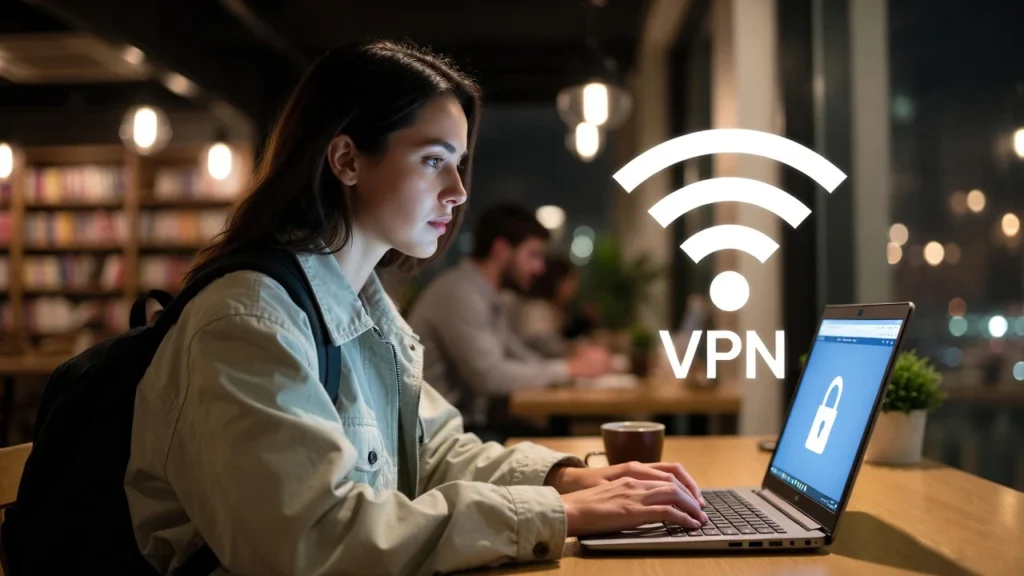
A VPN secures connections on public networks like cafes and airports.
VPN vs Proxy
Understanding the difference between a VPN and a proxy is important.
| Feature | VPN | Proxy |
| Security | High | Low |
| Encryption | Yes | No |
| Privacy | Strong | Limited |
| Speed | Moderate | Faster |
A VPN provides better security compared to a proxy.
Limitations of VPN
Despite its benefits, a VPN has some limitations.
Reduced Speed
Encryption can slow down internet speed.
Cost
Some VPN services require a subscription.
Not Complete Anonymity
A VPN improves privacy but does not guarantee full anonymity.
The Future of VPN
The future of VPN technology is closely linked with growing concerns about online privacy and cybersecurity. As cyber threats continue to evolve, VPN services are expected to become more advanced and widely used.
New developments such as faster encryption methods and integration with cloud security systems will improve performance and reliability. VPNs will continue to play a key role in protecting digital identities and ensuring secure communication.
Conclusion
A VPN is an essential tool for protecting online privacy and securing internet connections. It provides encryption, hides user identity, and helps prevent cyber threats.
As digital risks increase, using a VPN can significantly improve your online safety. Whether for personal use or business security, VPNs are becoming an important part of modern internet usage.