

Introduction
Data science is one of the most important fields in modern technology. Organizations across industries use data science to analyze large amounts of information and make better decisions.
Table of Contents
From predicting customer behavior to improving healthcare systems, data science plays a key role in transforming raw data into valuable insights. As the amount of digital data continues to grow, the importance of data science is increasing rapidly.
Understanding data science is essential for anyone interested in technology, artificial intelligence, and data-driven decision-making.
What Is Data Science?
Data science is a field that combines statistics, mathematics, programming, and domain knowledge to analyze data and extract meaningful insights.
It involves collecting, processing, and analyzing large datasets to identify patterns and trends.
Data science is closely related to:
- Artificial intelligence
- Machine learning
- Big data
How Data Science Works

The process of data science typically involves several steps.
Data Collection
Data is collected from various sources such as websites, applications, sensors, and databases.
Data Cleaning
Raw data often contains errors or missing values. Cleaning ensures the data is accurate and usable.
Data Analysis
Data scientists use statistical methods and tools to analyze the data.
Model Building
Machine learning models are created to predict outcomes and identify patterns.
Data Visualization
Results are presented using charts, graphs, and dashboards for easier understanding.
Key Components of Data Science
Several important components make up data science.
Statistics
Statistics helps analyze and interpret data.
Programming
Languages like Python and R are commonly used in data science.
Machine Learning
Machine learning enables systems to learn from data.
Data Visualization
Visualization tools help present insights clearly.
Applications of Data Science
Data science is used in many industries.
Healthcare
Doctors use data science to analyze patient data and improve diagnosis.
Finance
Banks use data science for fraud detection and risk analysis.
E-commerce
Companies use data science to understand customer behavior and improve recommendations.
Transportation
Data science helps optimize routes and reduce traffic congestion.
Benefits of Data Science
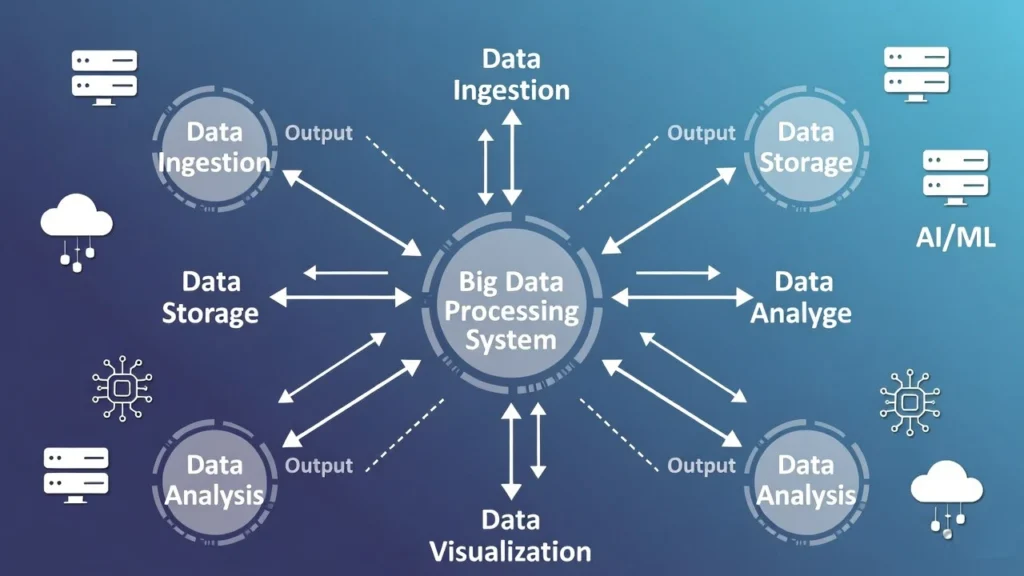
The growing use of data science offers many advantages.
Better Decision-Making
Organizations use data science to make informed decisions.
Increased Efficiency
Data science helps optimize operations.
Predictive Analysis
Businesses can forecast trends using data science.
Challenges of Data Science
Despite its benefits, data science also has challenges.
Data Privacy
Handling large datasets often raises serious privacy concerns, especially when personal or sensitive information is involved. Organizations must ensure that data is collected, stored, and processed securely to prevent unauthorized access. Compliance with data protection regulations and ethical data usage is essential to maintain user trust and avoid legal issues.
Data Quality
The accuracy of data plays a crucial role in data science. Poor-quality data, such as incomplete, outdated, or inconsistent information, can lead to incorrect analysis and unreliable results. Data cleaning and preprocessing are important steps to ensure that insights generated from data are meaningful and accurate.
Complexity
Data science is a complex field that requires a combination of skills, including programming, statistics, and domain expertise. Working with advanced tools, algorithms, and large datasets can be challenging, especially for beginners. Continuous learning and practical experience are necessary to effectively solve real-world data problems.
The Future of Data Science
The future of data science is closely linked with advancements in artificial intelligence, machine learning, and cloud computing.
As data continues to grow, data science will play an even bigger role in shaping industries and driving innovation.
Conclusion
Data science is a powerful field that enables organizations to extract insights from data and make smarter decisions. By combining statistics, programming, and machine learning, data science helps solve complex problems and improve efficiency.
As technology continues to evolve, data science will remain a key driver of innovation in the digital world.