
Introduction
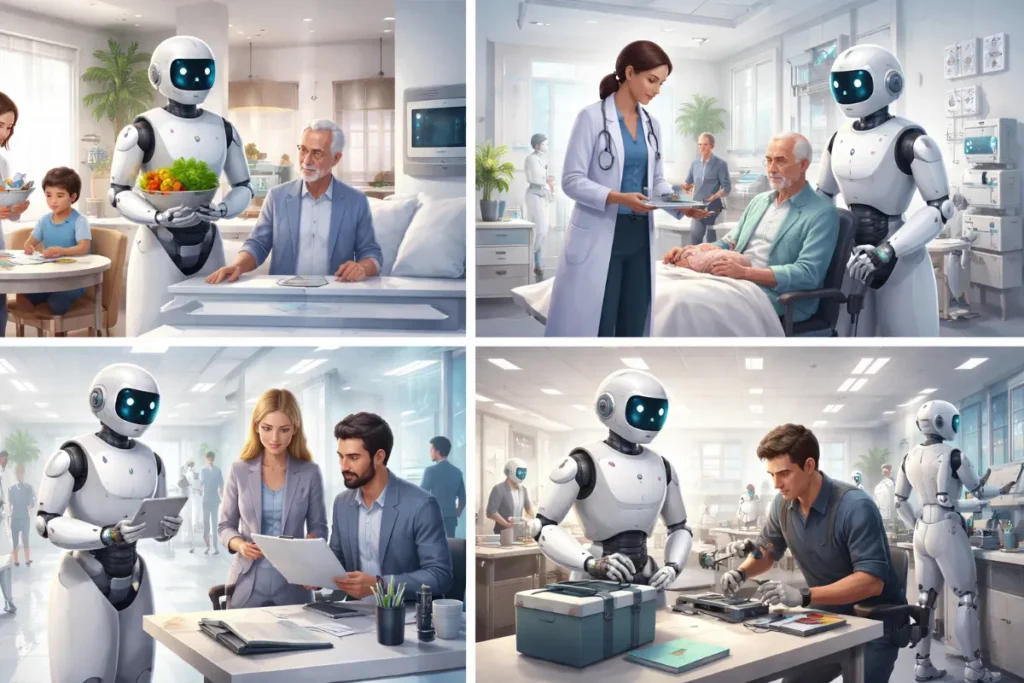
Robots are no longer limited to factories or science fiction movies. Today, robotics technology is quietly becoming part of everyday life. From automated warehouses and hospitals to homes and restaurants, robots are helping humans work faster, safer, and more efficiently. As technology advances, robotics is reshaping how we live and work. To understand this better, it’s helpful to explore different types of robots and their real-world uses.
What Is Robotics?
Robotics is a branch of technology that focuses on designing, building, and programming machines capable of performing tasks automatically or semi-automatically. These machines, known as robots, can be controlled by software, sensors, and artificial intelligence.
Modern robots are often combined with AI, allowing them to learn from data, adapt to environments, and perform complex actions with minimal human intervention.
Robots You Already See in Daily Life
Robotics is already present in many common places:
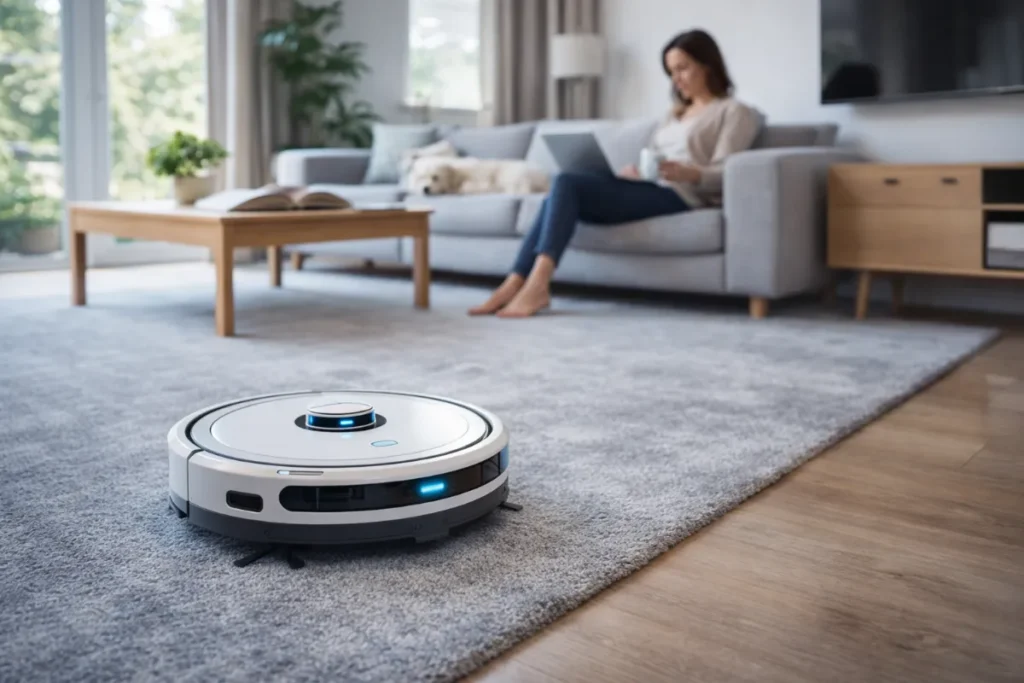
- Home: Robot vacuum cleaners and smart lawn mowers
- Hospitals: Robots assisting in surgeries, medicine delivery, and sanitation
- Warehouses: Automated robots sorting, lifting, and transporting goods
- Restaurants: Robots preparing food or serving customers
- Retail: Inventory-checking and customer-assistance robots
Companies like Amazon use robotics extensively in warehouses to improve speed and accuracy.
Robotics in Healthcare
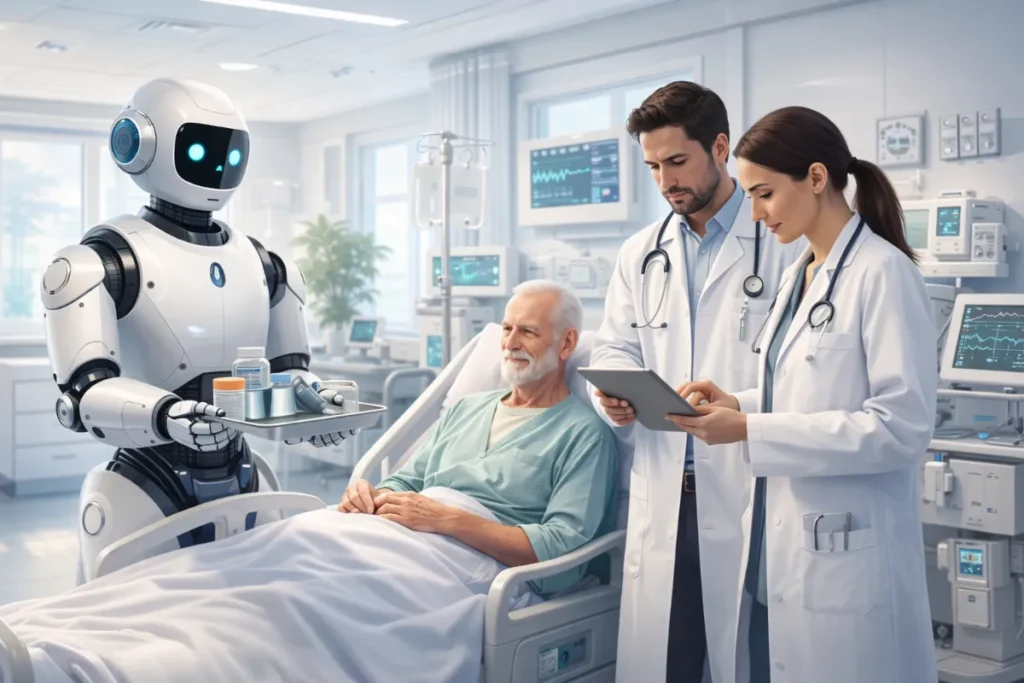
Healthcare is one of the biggest beneficiaries of robotics:
- Surgical robots enable precise, minimally invasive operations
- Hospital robots reduce staff workload by transporting supplies
- Cleaning robots help maintain hygiene and reduce infection risks
Organizations such as Boston Dynamics have developed advanced robots that can navigate complex environments safely.
Industrial and Workplace Robotics
In factories and workplaces, robots are used to:
- Assemble products
- Handle heavy or dangerous materials
- Improve manufacturing accuracy
- Reduce workplace injuries
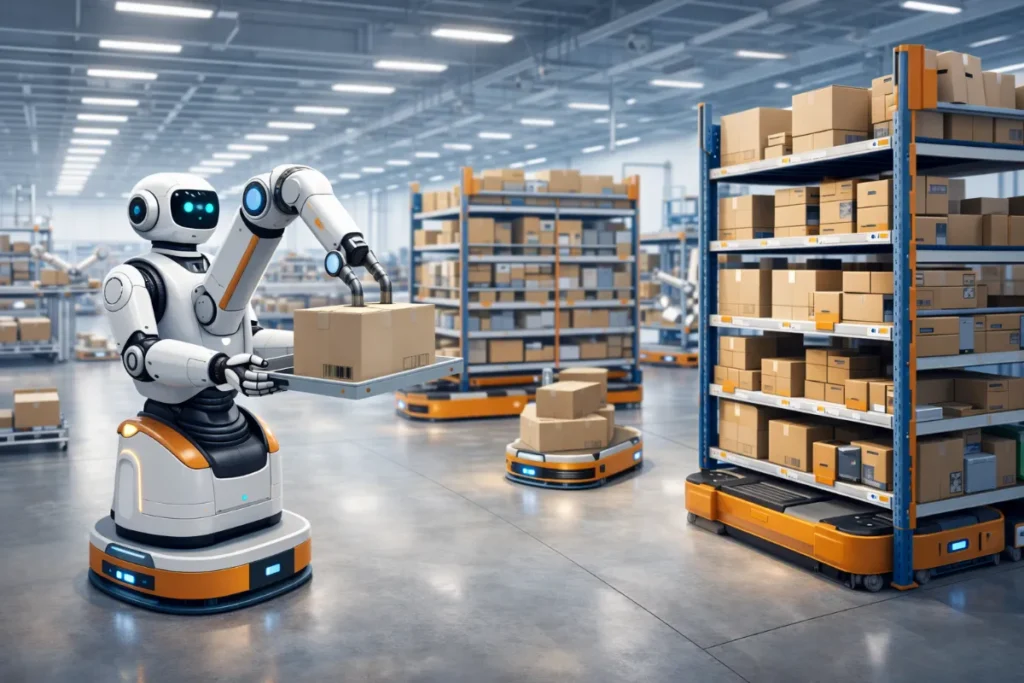
Robotic technology has significantly increased productivity while improving worker safety.
Robots and Artificial Intelligence
The combination of robotics and AI is making machines smarter. AI-powered robots can:
- Recognize objects and faces
- Navigate unfamiliar environments
- Learn from experience
- Interact naturally with humans
Companies such as Tesla are exploring humanoid robots designed to assist with repetitive or physical tasks.
Challenges of Robotics
Despite rapid growth, robotics still faces challenges:
- High development and maintenance costs
- Ethical concerns about job displacement
- Safety and reliability in public environments
- Limited decision-making without AI support
Balancing innovation with responsibility is essential for widespread adoption.
The Future of Robotics
Experts predict that robots will become:
- More affordable. Experts predict that robotics will continue to advance rapidly, bringing significant changes to how we live and work. In the coming years, robots are expected to become more affordable, making them accessible not only to large industries but also to small businesses and households.
- More intelligent. Robots will also become more intelligent, powered by advancements in artificial intelligence and machine learning. This will enable them to learn from data, adapt to new situations, and perform complex tasks with greater accuracy and efficiency.
- More collaborative with humans. In addition, robots will become more collaborative with humans. Instead of replacing people, future robots will work alongside humans, assisting in tasks, improving productivity, and enhancing safety in various environments such as healthcare, manufacturing, and everyday life.
In the future, robots may assist in elder care, disaster response, education, and smart cities, becoming trusted partners rather than replacements.
Conclusion
Robotic technology is steadily becoming part of everyday life, improving efficiency, safety, and convenience across various industries and daily activities. From smart home devices and healthcare robots to automated systems in manufacturing and transportation, robots are helping people save time and reduce effort. They are also enhancing precision and minimizing risks in dangerous environments.
As technology continues to evolve, robots will become even more advanced, intelligent, and accessible. They will not only assist with routine tasks but also support decision-making and complex operations. In the future, robots will play a vital role in supporting humans in meaningful ways, transforming how we live, work, and interact with the world around us.