
Introduction
The future of AI is transforming how technology, industries, and everyday life evolve in the modern world. As artificial intelligence continues to advance, it is shaping new opportunities, improving efficiency, and redefining how humans interact with machines. In this guide, we explore the key trends, innovations, and real-world impacts that define the future of AI.
This article examines AI’s future in detail, dissecting its development, moral dilemmas, and the enormous potential it presents. Whether you’re interested in AI, working in the IT sector, or just wondering what the future holds, this blog entry will provide you with the knowledge and resources you need to comprehend it.
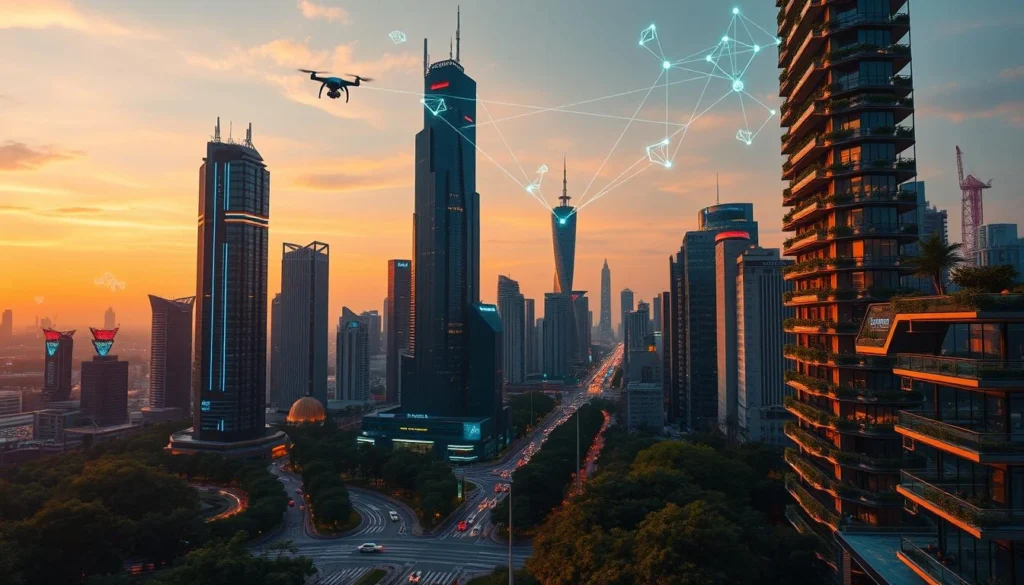
Table of Contents
A Quick History of AI
To understand the future of AI, it is important to look at how artificial intelligence has evolved over time. Early developments in the 1950s and 1960s focused on symbolic thinking, where machines used logic-based rules to solve problems. These foundational ideas played a key role in shaping the future of AI and its capabilities.
By the 1980s, neural networks emerged, inspired by the structure of the human brain. This marked a significant step toward building systems that could learn from data. As research progressed, the future of AI became more promising with breakthroughs like AlphaGo, which mastered the complex game of Go, and Deep Blue, which defeated a world chess champion.
Today, the future of AI is driven by rapid advancements in machine learning, computer vision, and natural language processing. These technologies are transforming industries and accelerating innovation across the globe. As we move forward, understanding this evolution helps us better prepare for the future of AI and its growing impact on society.
For a deeper understanding, you can explore the future of AI and artificial intelligence explained by IBM.
AI Today: Present-Day Uses
AI is becoming a part of everyday life. AI improves user experiences on a variety of platforms, from Netflix and Amazon recommendation algorithms to smartphones with virtual assistants like Siri and Alexa.

Specialized applications of AI include:
1. Healthcare: AI aids precision medicine, forecasts patient outcomes, and identifies illnesses.
2. Finance: AI has improved the accuracy of automated trading, fraud detection, and credit scoring.
3. Transportation: AI’s potential in mobility is demonstrated by autonomous vehicles, such as Tesla’s self-driving cars.
Generative AI, such as OpenAI’s GPT models, enables creative outputs like text, images, and music, revolutionizing content creation.
The Foundation for Upcoming AI Development
AI’s future is dependent on multiple innovative pillars:
1. Quantum Computing: AI’s capacity to resolve intricate issues will grow rapidly with quantum computing, opening the door to innovations in cryptography and development in pharmaceuticals.
2. Edge AI: By lowering latency and improving privacy through local data processing on devices, this technology will transform sectors including healthcare and driverless cars.
3. Ethical AI: As AI spreads, it will be crucial to guarantee inclusivity, fairness, and transparency.
These technologies will shape the future of AI, fostering new possibilities in both personal and professional spheres.
AI and Ethics—Challenges Ahead
With great power comes great responsibility. AI introduces several ethical dilemmas:
1. Bias in Algorithms: AI programs that have been educated on biased data have the potential to reinforce discrimination in lending, hiring, and law enforcement.
2. Privacy Concerns: Data security and surveillance are issues brought up by the extensive use of AI.
3. Job displacement: Millions of jobs may be lost to automation, necessitating retraining and societal adaptation.
A dedication to justice, openness in AI development, and regulatory frameworks will all aid in overcoming these obstacles. The development of AI in an ethical manner guarantees that the technology advances humanity without endangering people.
The AI-Powered Future of Work
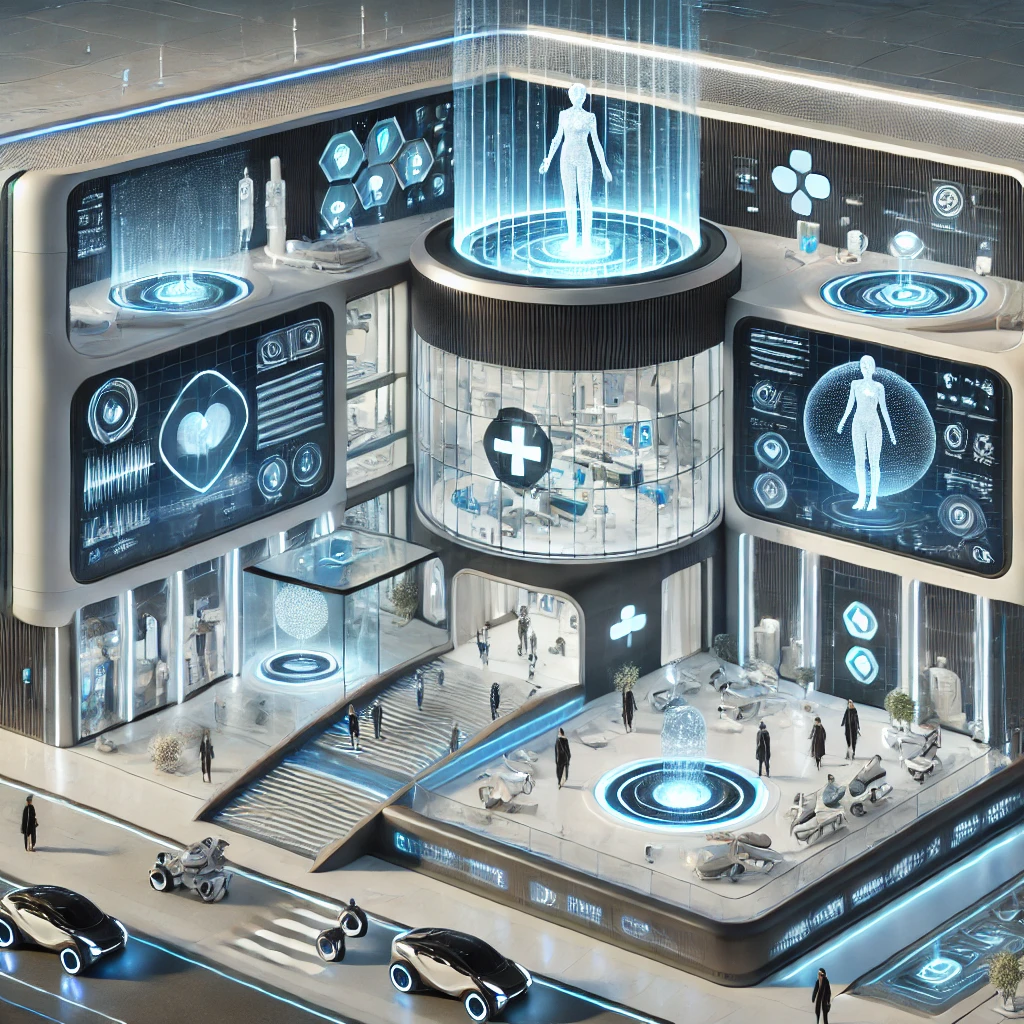
AI will change the workforce by increasing productivity and automating monotonous tasks. Rather than eliminating all jobs, AI will create new opportunities:
1. Human-AI Collaboration: To increase productivity, employees will collaborate with AI tools.
2. Emerging Roles: There will be substantial growth in fields including data science, robotics, and AI ethics.
3. Upskilling: Continuous learning will be essential to keep pace with AI-driven changes.
By accepting this change, society can use AI to boost creativity and enhance quality of life.
AI in Everyday Life—2030 and Beyond
AI will change the way we interact with the world during the next ten years:
1. Smart Homes: Completely integrated systems will independently control comfort, security, and energy.
2. Healthcare: AI will provide preventive care by predicting diseases before symptoms manifest.
3. Transportation: By streamlining traffic, autonomous cars will cut down on pollutants and congestion.
AI will increasingly adapt solutions to each user’s needs and preferences, personalizing experiences.
Global Challenges and AI
AI offers solutions to some of humanity’s biggest challenges:
1. Climate Change: AI-powered solutions can model potential climate conditions, minimize waste, and optimize energy use.
2. Disaster Management: Artificial intelligence has the potential to save lives by better anticipating and responding to natural disasters.
3. Reducing Poverty: AI can enhance agricultural output and optimize resource distribution to fight inequality and hunger.
Responsible use of AI can help us solve these global problems and build a sustainable future.
The Development of Artificial General Intelligence
Even while current AI systems are task-specific, the development of Artificial General Intelligence (AGI) has the potential to expand the capabilities of machines. AGI would have cognitive skills similar to those of humans, including the ability to reason, learn, and solve problems in a variety of fields.
AGI has concerns, such as the loss of human control, despite its enormous potential. Keeping AGI in line with human ideals will be one of the century’s biggest problems.
AI and Society—A Vision for Harmony
AI will have a significant impact on society by changing the way people connect, communicate, and learn. To maintain peace:
1. Education Systems: AI has to improve accessibility and customization of learning.
2. Cultural Preservation: AI can support the preservation of endangered customs and languages.
3. International Cooperation: AI must promote understanding and collaboration among nations by bridging gaps.
AI can boost human ingenuity and creativity through inclusive development.
Conclusion: The Journey Ahead

The future of AI isn’t just about technology; it’s about humanity’s ability to responsibly guide it. Let’s take advantage of this chance to create a better tomorrow. AI has the unmatched potential to change the world for the better, but achieving this future will require cooperation between governments, industries, and individuals to address ethical and societal challenges.