

Introduction
Encryption is one of the most important technologies used to protect information in the digital world. Every time you send a message, make an online payment, or log in to a website, your data needs to stay secure. This is where encryption plays a critical role.
Table of Contents
In simple terms, encryption helps keep sensitive information safe from hackers and unauthorized access. It ensures that even if data is intercepted, it cannot be understood without proper authorization.
As digital systems continue to grow, understanding encryption becomes essential for maintaining privacy and security online.
What Is Encryption?
Encryption is the process of converting readable data into a coded format that cannot be easily understood. The original data is called plaintext, and after conversion, it becomes ciphertext.
Only users with the correct key can convert the ciphertext back into readable information. This process helps protect important data such as passwords, financial details, and personal information.
How Encryption Works
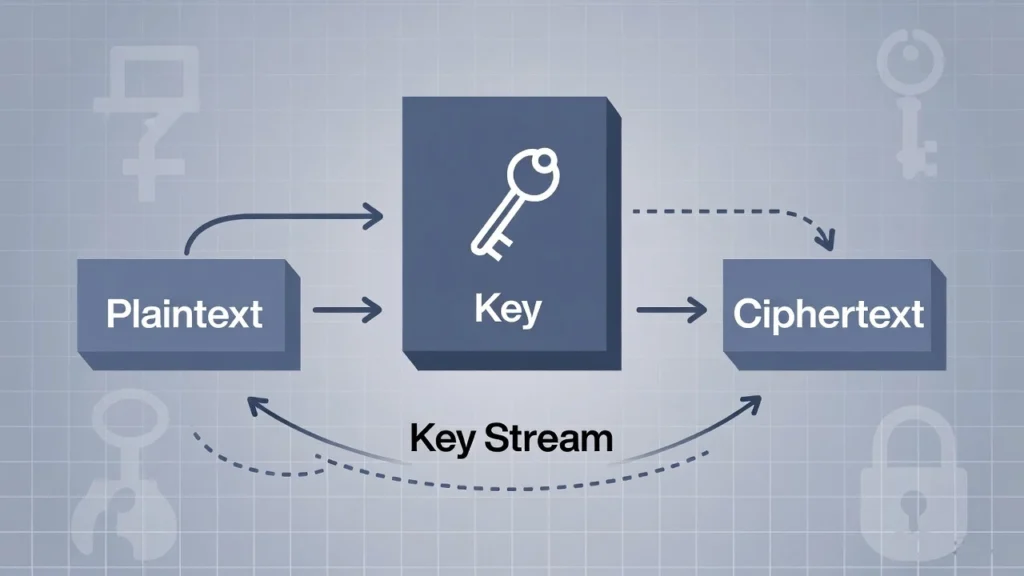
To understand encryption clearly, it helps to look at the basic process step by step.
Plaintext
This is the original readable information, such as a message or file.
Algorithm
An algorithm is used to transform the plaintext into a secure format.
Key
A key is required to lock and unlock the data. Without the correct key, the data remains unreadable.
Ciphertext
The final output is scrambled data that cannot be understood by unauthorized users.
This process happens quickly in the background whenever you use secure digital services.
Types of Encryption
There are different methods used to secure data, depending on the application and level of security required.
Symmetric Method
This method uses a single key for both locking and unlocking the data. It is fast and efficient but requires secure key sharing.
Asymmetric Method
This method uses two keys—a public key and a private key. It is more secure and commonly used in online communication.
End-to-End Protection
In this approach, data remains protected from the sender to the receiver, ensuring that no third party can access it during transmission.
Applications in Daily Life

Encryption is used in many areas that people interact with every day.
Online Banking
Banks use secure systems to protect transactions and customer data.
Messaging Apps
Private conversations are protected so that only the sender and receiver can read them.
E-commerce Platforms
Shopping websites secure payment details and personal information.
Cloud Services
Data stored online is protected to prevent unauthorized access.
Benefits of Encryption
Using encryption provides several important advantages.
Data Protection
Sensitive information remains safe from cyber threats.
Privacy
Users can communicate and store data without worrying about unauthorized access.
Trust
Secure systems build trust between users and digital platforms.
Challenges and Limitations
Despite its advantages, there are some challenges associated with encryption.
Key Management
Handling and storing keys securely can be complex.
Performance Impact
In some cases, security processes may slightly affect system speed.
Technical Complexity
Implementing strong protection methods requires expertise and proper tools.
The Future of Data Security
As technology evolves, new methods are being developed to improve data protection. Emerging technologies such as artificial intelligence and quantum computing are expected to influence how secure systems are designed in the future.
Organizations are continuously working to strengthen digital security and protect users from evolving cyber threats.
Conclusion
Encryption is a fundamental technology that helps protect data and maintain privacy in today’s digital world. By converting information into a secure format, it ensures that sensitive data remains safe from unauthorized access.
As online activities continue to grow, the importance of encryption will only increase, making it a key part of modern cybersecurity.