
Introduction
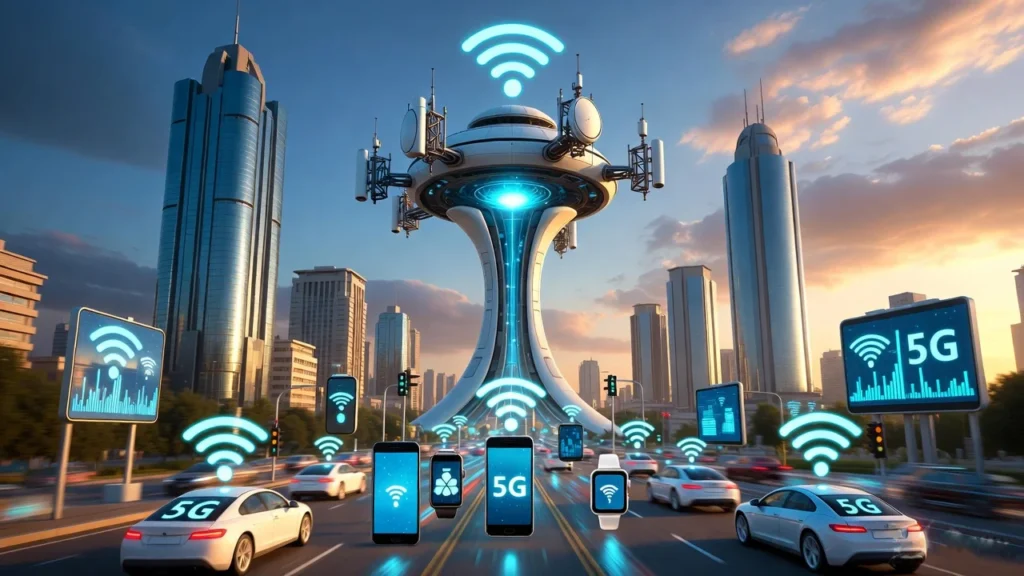
5G technology is the latest generation of wireless communication that is transforming how people connect to the internet and digital services. Compared to previous network generations, 5G technology offers significantly faster speeds, lower latency, and the ability to connect a large number of devices at the same time.
Table of Contents
As digital transformation continues across industries, 5G technology is becoming a key driver of innovation. It supports advanced technologies such as smart cities, autonomous vehicles, and the Internet of Things. Understanding 5G technology is essential for anyone interested in the future of communication and connectivity.
What Is 5G Technology?
5G technology is the fifth generation of mobile network technology designed to provide faster, more reliable, and more efficient wireless communication.
Earlier generations like 3G and 4G improved mobile internet access, but 5G technology goes much further by enabling real-time communication and supporting millions of connected devices.
With 5G technology, users can experience faster downloads, smoother streaming, and improved connectivity across different devices.
How 5G Technology Works
To understand 5G technology, it is important to look at the technologies behind it.
1. Small Cell Networks
Unlike traditional networks, 5G technology uses smaller cell towers placed closer together. This improves coverage and network performance, especially in urban areas.
2. Millimeter Waves
Millimeter waves are high-frequency signals that allow 5G technology to transmit large amounts of data quickly. These waves enable high-speed communication but require more infrastructure.
3. Massive MIMO
Massive MIMO (Multiple Input Multiple Output) uses multiple antennas to send and receive data simultaneously. This helps 5G technology handle more connections efficiently.
Benefits of 5G Technology
The rapid adoption of 5G technology is driven by several important advantages.
1. Faster Internet Speeds
One of the biggest benefits of 5G technology is its speed. It can deliver data speeds much faster than 4G networks, making downloads and streaming quicker.
2. Low Latency
Latency refers to the delay in communication between devices. 5G technology reduces latency significantly, enabling real-time interactions.
3. More Connected Devices
5G technology can support a large number of devices at the same time, which is essential for smart homes and connected environments.
Applications of 5G Technology
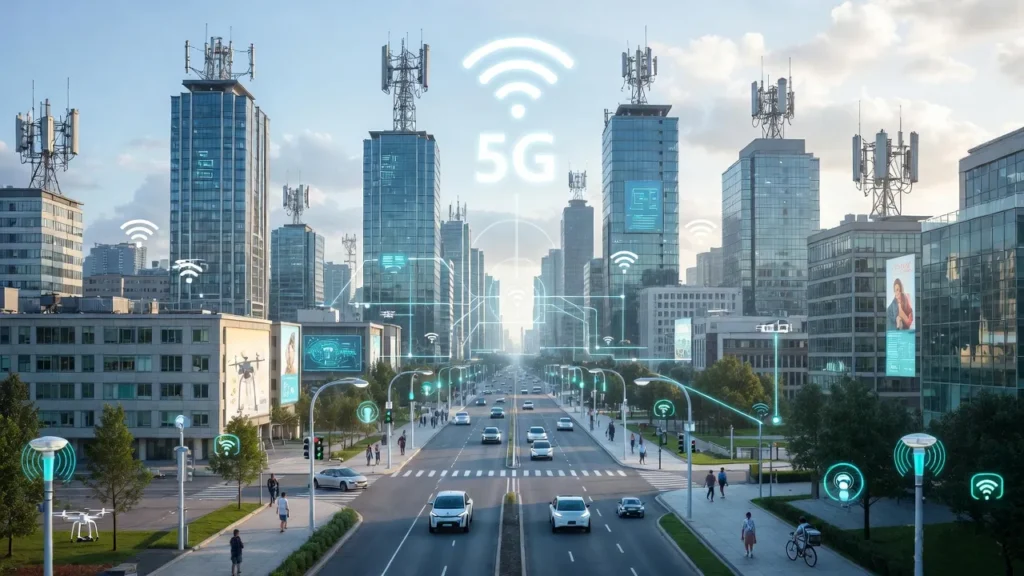
5G technology is transforming multiple industries and enabling new possibilities.
1. Smart Cities
Cities can use 5G technology to improve traffic management, energy efficiency, and public safety through connected systems.
2. Autonomous Vehicles
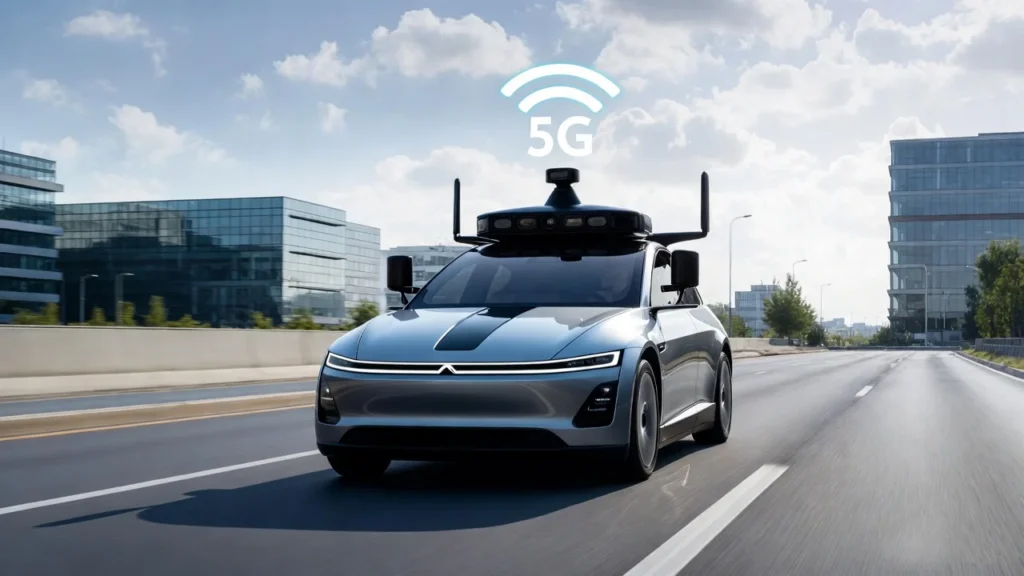
Self-driving cars rely on 5G technology for real-time communication and navigation.
3. Internet of Things (IoT)
IoT devices depend on 5G technology for fast and reliable communication between connected devices.
4. Healthcare
In healthcare, 5G technology enables remote monitoring, telemedicine, and even advanced applications such as remote surgery.
Challenges of 5G Technology
Despite its advantages, 5G technology also faces several challenges.
1. High Infrastructure Cost
Building 5G networks requires significant investment in infrastructure and equipment.
2. Limited Coverage
Currently, 5G technology is still expanding, and coverage may not be available in all areas.
3. Security Concerns
With more devices connected, 5G technology increases the need for strong cybersecurity measures.
The Future of 5G Technology
The future of 5G technology is promising as more countries continue to develop and expand their networks. It will play a crucial role in supporting emerging technologies such as artificial intelligence, edge computing, and smart devices.
As adoption increases, 5G technology will become a foundation for innovation across industries, enabling faster communication and smarter systems.
Conclusion
5G technology is revolutionizing wireless communication by providing faster speeds, lower latency, and improved connectivity. It supports modern technologies and enables new opportunities in areas such as smart cities, healthcare, and transportation.
As the world becomes more connected, 5G technology will continue to shape the future of digital communication and play a vital role in technological advancement.