
Introduction
DevOps is a modern approach to software development that combines development (Dev) and operations (Ops) to improve collaboration and efficiency. In today’s fast-paced digital world, organizations use this approach to deliver software faster and more reliably.
Table of Contents
Traditional software development often involved separate teams working independently, which led to delays and inefficiencies. This methodology solves this problem by integrating development and operations into a single continuous process.
As businesses rely more on technology, understanding DevOps is essential for improving software delivery and maintaining high-quality systems.
What Is DevOps?
DevOps is a set of practices and tools that aims to automate and integrate the processes between software development and IT operations.
The main goal of this system is to shorten the development lifecycle while delivering high-quality software.
With this approach, teams can:
- Build software faster
- Test applications continuously
- Deploy updates more efficiently
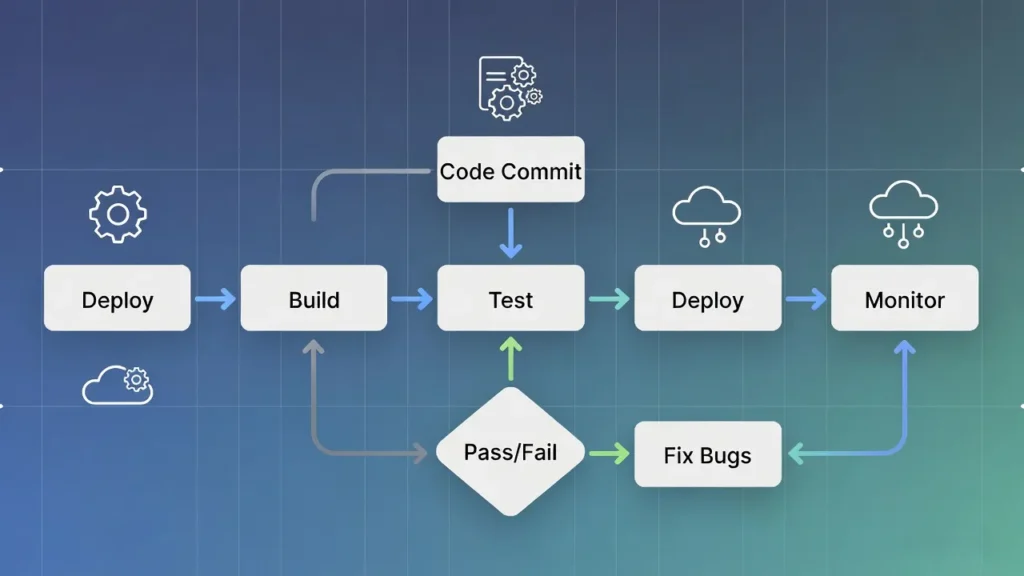
How development and operations model Works
To understand this system, it is important to look at its workflow.
Continuous Integration (CI)
Developers frequently merge code changes into a shared repository. Automated testing ensures that the code works correctly.
Continuous Delivery (CD)
After testing, the software is prepared for release. This system ensures that updates can be deployed quickly and safely.
Automation
Automation is a key part of this methodology, reducing manual work and improving efficiency.
Monitoring
Teams continuously monitor applications to detect issues and improve performance.
Key Components of DevOps
Several important components support this system.
Collaboration
DevOps encourages better communication between development and operations teams.
Automation Tools
Tools help automate testing, deployment, and monitoring processes.
Cloud Computing
Cloud platforms provide the infrastructure needed for this modern software practice.
Benefits of DevOps

The adoption of this system offers several advantages.
Faster Development
This methodology offers several important benefits for modern organizations. One of the biggest advantages is faster software development and delivery. By combining development and operations, teams can release updates more quickly and efficiently.
Improved Quality
Continuous testing helps improve software quality. This approach also enhances system reliability. With continuous integration and continuous delivery (CI/CD), issues can be detected and fixed early, reducing downtime and improving user experience.
Better Collaboration
Another key benefit is improved collaboration. This development workflow encourages better communication between developers, operations teams, and other stakeholders, reducing misunderstandings and increasing productivity.
Increased Efficiency
In addition, automation plays a major role in this modern software practice. Automated testing, deployment, and monitoring help reduce human errors and ensure consistent performance across systems.
Applications of DevOps
This methodology is widely used in many industries.
Software Development
Companies use this development and operations model to build and release applications quickly. By integrating development and operations, teams can automate testing, deployment, and monitoring processes. This helps developers identify bugs early and release updates faster. Continuous Integration and Continuous Delivery (CI/CD) pipelines also ensure that new features are delivered smoothly without disrupting existing systems.
IT Operations
IT teams use this approach to manage infrastructure and services efficiently. With automation tools, system monitoring, and real-time analytics, operations teams can quickly detect and resolve issues. This approach also improves system stability by reducing downtime and ensuring better resource management. This leads to improved performance and a better experience for users.
Cloud Services
Cloud providers rely on this system to deliver scalable and reliable services. This system enables faster deployment of cloud-based applications and better management of cloud infrastructure. It also supports automatic scaling, ensuring that applications can handle increasing user demand. This makes DevOps an essential part of modern cloud computing environments.
Challenges of DevOps
Despite its benefits, this methodology also presents challenges.
Cultural Change
Organizations need to adapt their culture to support these practices.
Tool Complexity
Using multiple tools can make development and operations model implementation complex.
Security Concerns
Security must be integrated into this process to protect systems.
The Future of DevOps
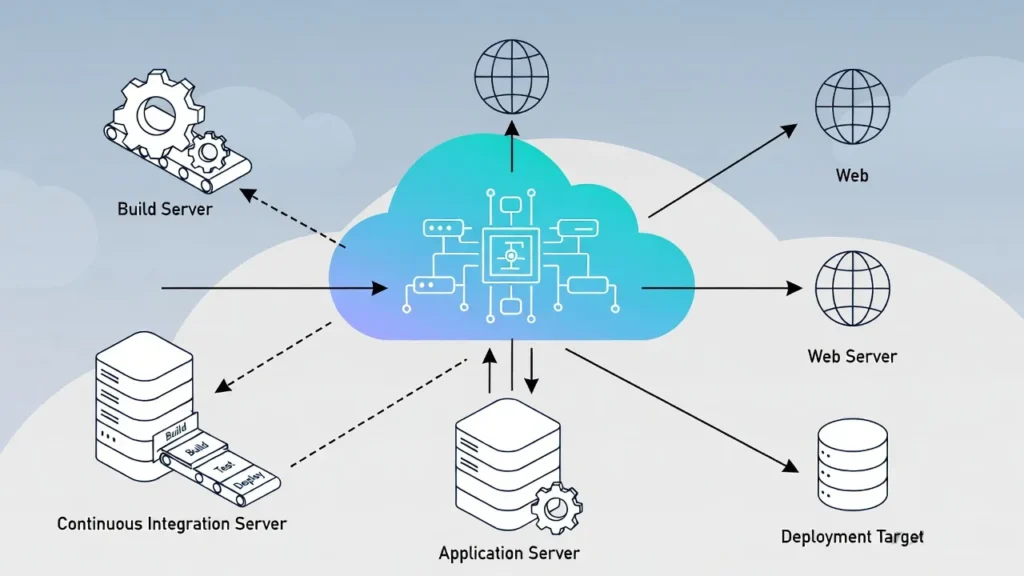
The future of this approach is closely linked with technologies such as artificial intelligence, cloud computing, and automation.
As organizations continue to adopt digital solutions, this methodology will play a crucial role in improving efficiency and innovation.
Conclusion
This automation-driven approach is transforming how software is developed and delivered by combining development and operations into a unified process. By improving collaboration, automation, and efficiency, DevOps helps organizations deliver better software faster.
As technology continues to evolve, this system will remain an essential practice for modern software development.