
Introduction
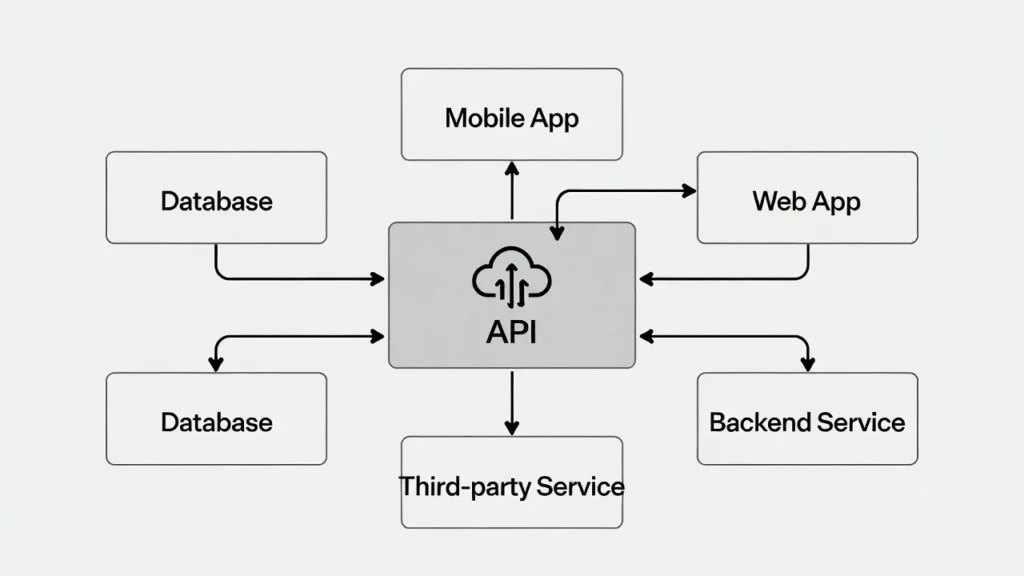
API is a fundamental concept in modern technology that allows different software applications to communicate with each other. In today’s digital world, almost every online service depends on an API to exchange data and perform tasks efficiently.
Table of Contents
For example, when you log in using a social media account or check real-time data in an app, an API is working behind the scenes. Understanding how an API works helps explain how modern applications interact and share information seamlessly.
As digital platforms continue to grow, the importance of an API becomes even more significant in building connected and scalable systems.
What Is an API?
An API (Application Programming Interface) is a set of rules and protocols that allows one software application to interact with another.
Instead of building every feature from scratch, developers use an API to access services or data from external systems. This simplifies development and improves efficiency.
For example:
- A weather application uses an API to fetch real-time weather data
- Payment systems use an API to process transactions
- Social media platforms use an API to display content
These examples show how an API acts as a bridge between different systems.
How API Works
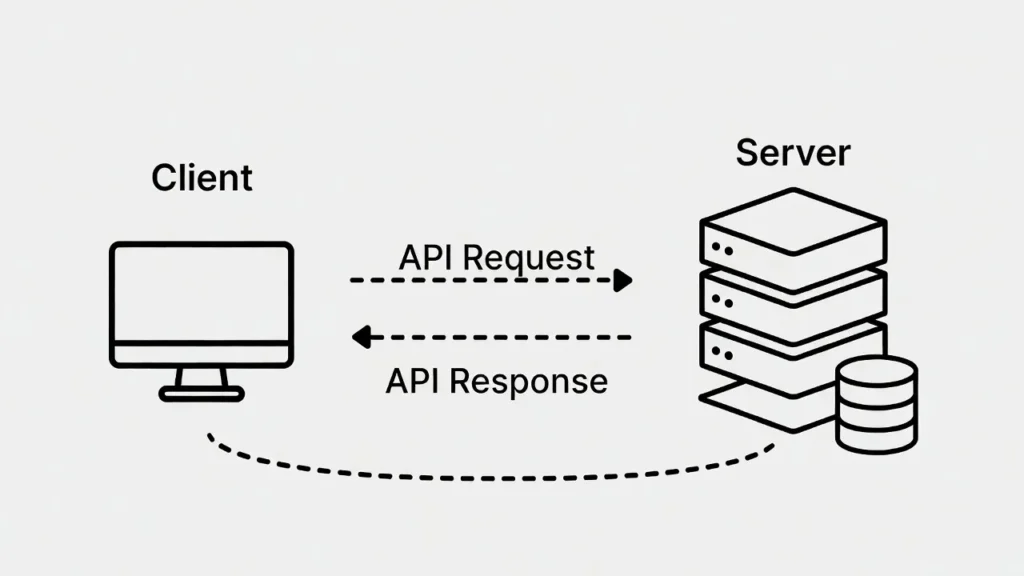
To understand how an API works, it is helpful to look at the process step by step.
Request
A user interacts with an application, such as clicking a button or entering information.
API Call
The application sends a request to a server through an API.
Processing
The server processes the request and retrieves the required data or performs an action.
Response
The API sends the response back to the application, which displays the result to the user.
This process happens quickly, often in real time, making applications responsive and efficient.
Types of APIs
There are several types of API used in modern software development.
REST API
REST APIs are widely used for web services and rely on standard HTTP methods.
SOAP API
SOAP APIs use structured messaging protocols and are often used in enterprise systems.
Web API
Web APIs allow applications to communicate over the internet.
Each type of API serves different purposes depending on the requirements of the system.
Benefits of API
Using an API provides many advantages in software development.
Faster Development
Developers can reuse existing services through an API, saving time and effort.
Integration
An API allows different systems to work together smoothly.
Scalability
Applications can grow easily by connecting with additional services through an API.
Flexibility
An API enables developers to build applications that can adapt to changing requirements.
Applications of API
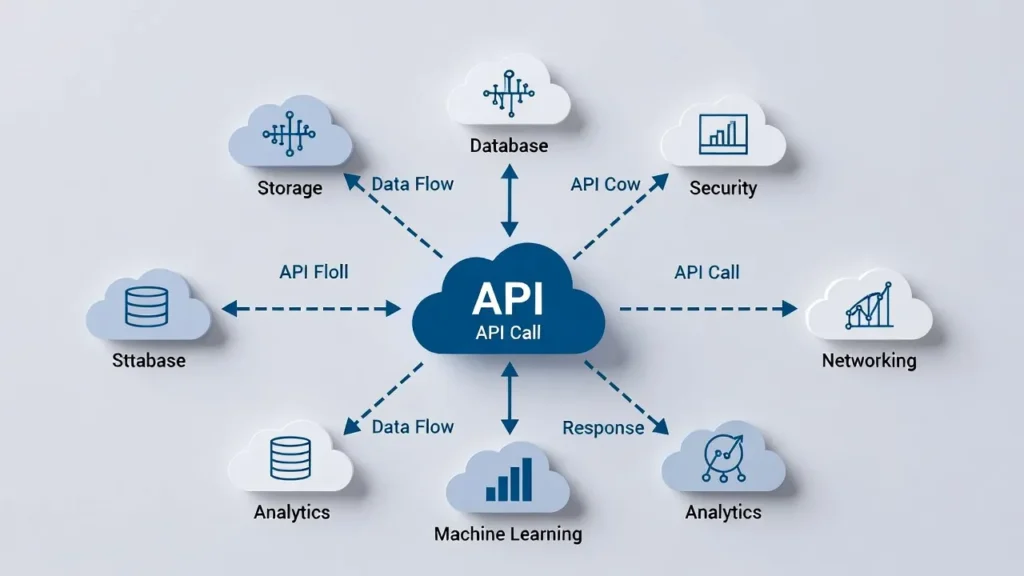
An API is used across many industries and technologies.
Cloud Computing
Cloud platforms use an API to manage services and connect systems.
Mobile Applications
Mobile apps rely on an API to communicate with servers and databases.
E-commerce Platforms
Online stores use an API for payment processing, order management, and shipping services.
Challenges of API
Despite its benefits, using an API also has challenges.
Security Risks
APIs can be vulnerable to cyberattacks if not properly secured.
Complexity
Managing multiple APIs can increase system complexity.
Dependency
Applications may depend on external APIs, which can cause issues if services are unavailable.
The Future of API
The future of an API is closely connected with technologies such as cloud computing, artificial intelligence, and automation.
As systems become more interconnected, the role of an API will continue to grow. Businesses will rely on APIs to create more flexible and scalable digital solutions.
Conclusion
An API is an essential component of modern software that enables communication between applications. By allowing systems to share data and perform tasks efficiently, an API helps improve development speed, integration, and scalability.
As technology continues to evolve, the importance of an API will only increase, making it a key element in building future digital systems.