

Introduction
Blockchain technology is one of the most important innovations in the digital world today. It is best known for powering cryptocurrencies, but blockchain technology has many other applications beyond digital currency.
Table of Contents
In simple terms, blockchain technology is a system for storing data securely and transparently across multiple computers. This makes it difficult to change or hack the data.
As industries look for more secure and efficient systems, blockchain technology is becoming increasingly important.
What Is Blockchain Technology?
Blockchain technology is a decentralized digital ledger that records transactions across multiple computers.
Instead of storing data in a single location, blockchain technology distributes data across a network. This makes the system more secure and reliable.
Each block contains:
- Data (transactions)
- Timestamp
- Link to the previous block
These blocks form a chain, which is why it is called blockchain technology.
How Blockchain Technology Works
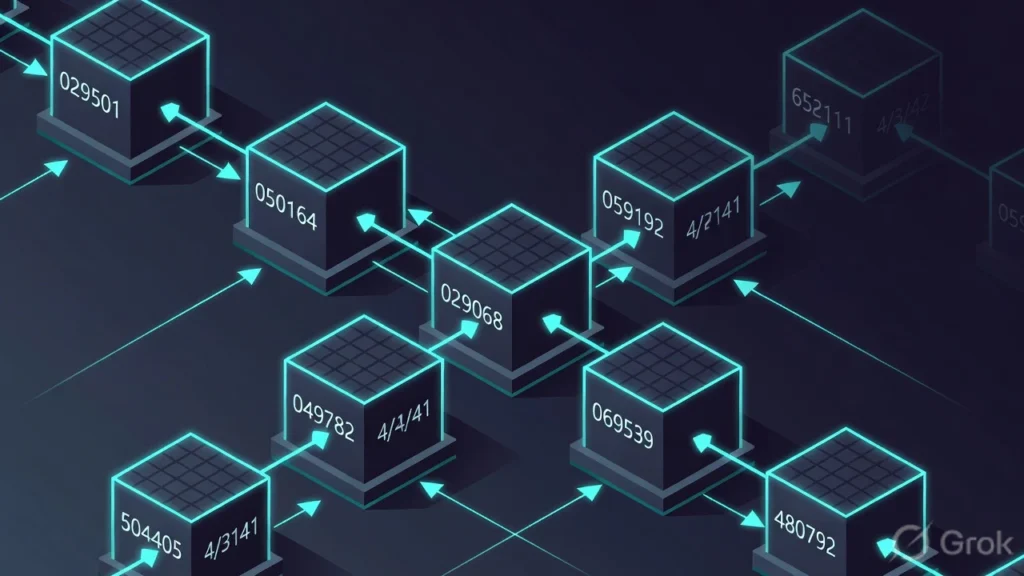
To understand blockchain technology, let’s look at the process step by step.
Transaction Creation
A transaction is created, such as sending money or recording data.
Verification
The transaction is verified by multiple computers (nodes) in the network.
Block Formation
Verified transactions are grouped into a block.
Chain Addition
The block is added to the chain, making the data permanent.
Once recorded, data in blockchain technology cannot be easily changed.
Key Features of Blockchain Technology
Decentralization
Blockchain technology does not rely on a central authority.
Transparency
All transactions are visible to network participants.
Security
Data is protected using cryptographic techniques.
Immutability
Once recorded, data cannot be altered easily.
Applications of Blockchain Technology
Blockchain technology is used in many industries.
Cryptocurrency
Blockchain powers digital currencies like Bitcoin.
Supply Chain Management
Companies use blockchain technology to track products from origin to delivery.
Healthcare
Blockchain helps store patient records securely.
Finance
Banks use blockchain technology for secure transactions.
Benefits of Blockchain Technology

Improved Security
Blockchain technology reduces the risk of fraud and data tampering.
Transparency
All participants can view transaction history.
All participants can view transaction history.
Blockchain reduces the need for intermediaries.
Challenges of Blockchain Technology
Scalability
Handling large amounts of data can be difficult.
Energy Consumption
Some blockchain systems require high energy usage.
Regulation
Legal frameworks for blockchain are still evolving.
The Future of Blockchain Technology
The future of blockchain technology looks promising as more industries adopt it for secure and transparent systems.
It is expected to play a key role in areas such as finance, digital identity, and supply chain management.
Conclusion
Blockchain technology is transforming how data is stored and shared by providing a secure, transparent, and decentralized system. It has applications across multiple industries and continues to grow in importance.
As technology evolves, blockchain technology will become a key part of digital innovation.