
Introduction
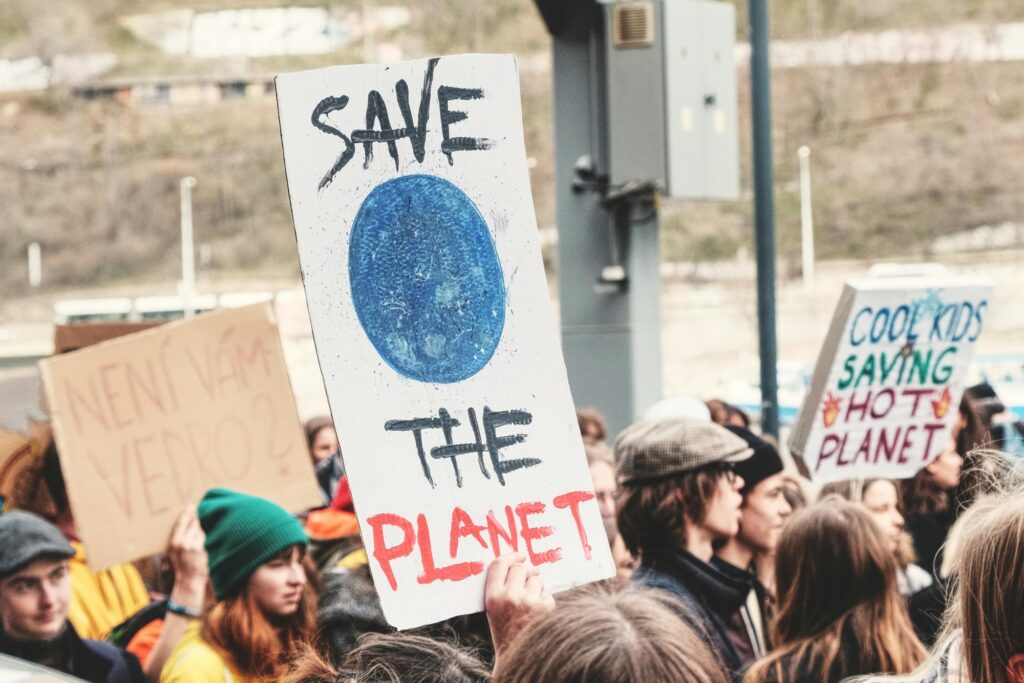
Time is running out: The Intergovernmental Panel on Climate Change(IPCC) cautions that we have fewer than ten years to cut emissions in half to prevent catastrophic warming, with global temperatures already up 1.2°C from pre-industrial levels. Can innovative green solutions outpace the crisis before it’s too late? That is the key question in the race to address climate change, as wildfires burn continents and floods force millions to relocate.
Presenting the Green Tech Revolution, a slew of inventions that are changing the sustainability landscape. Innovations are speeding up, from solar panels that capture sunlight more effectively than ever to artificial intelligence (AI) systems that forecast climate catastrophes before they strike. Three technologies stand out: AI-driven climate predictions, which offer previously unheard-of precision in tracking and mitigating calamities; green hydrogen, a zero-emission fuel that is transforming sectors; and perovskite solar cells, which promise more affordable and efficient renewable energy. Collectively, they represent humanity’s bold attempt to use innovation to avoid catastrophe. Will it be sufficient, though?
Table of Contents
The Urgency of the Climate Crisis
Heatwaves, hurricanes, and melting ice caps highlighted a terrible reality in 2023, the warmest year on record. According to estimates from the World Meteorological Organization, climate-related disasters currently cost the world economy $200 million every day. Emissions must drop by 45% by 2030 in order to keep warming to 1.5°C, over which irreversible tipping points are imminent.

Even while they are essential, traditional remedies like carbon levies and reforestation don’t scale or accelerate enough. Green technology changes the game in this situation. These advances provide a lifeline by rethinking energy generation, storage, and climate modeling, but only if they are used quickly and widely.
Perovskite Solar Cells: The Future of Renewable Energy
Although silicon solar panels are currently the most common, perovskite solar cells have the potential to completely transform the market. These incredibly thin, flexible materials are 30% more efficient at converting sunlight into electricity than silicon (22%), work better in low light, and are half as expensive to make. Perovskites are already being included into tandem solar cells by businesses like Oxford PV and Saule Technologies, increasing output while reducing the amount of rooftop space required.
There are still challenges: Perovskites break down more quickly in hot and humid conditions. But MIT researchers just created a stabilized version that lasts more than 1,500 hours, which is a crucial step on the path to commercialization. Perovskites have the potential to make solar electricity ubiquitous, from wearable technology to skyscraper windows, if durability issues are resolved.
Green Hydrogen: A Game Changer for Clean Energy
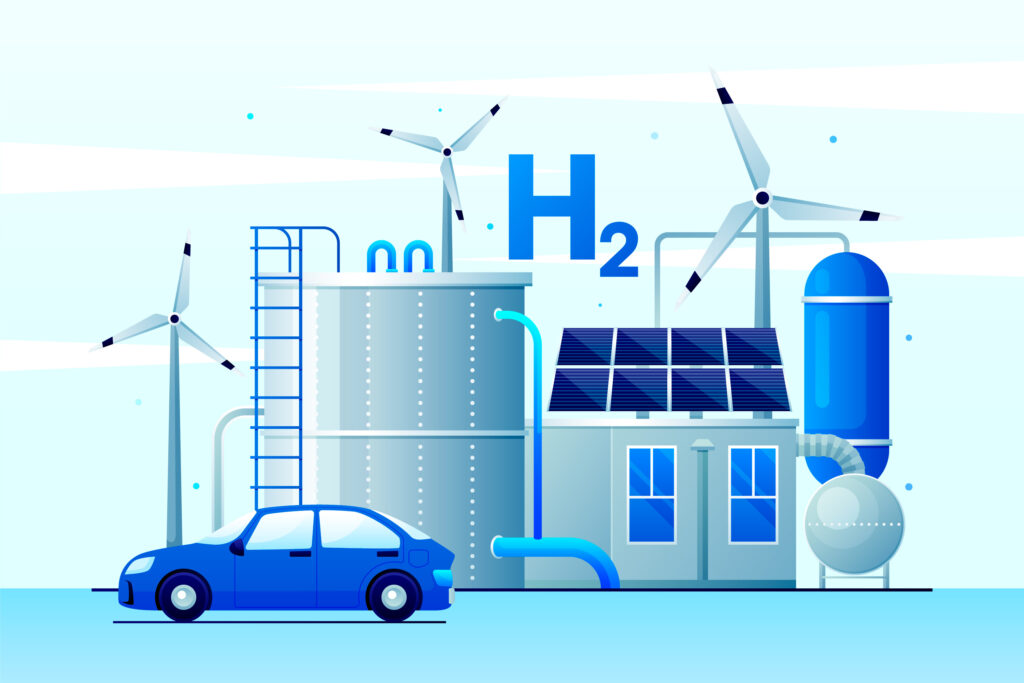
Only oxygen is released by green hydrogen, which is created by splitting water with renewable energy. It is genuinely clean, in contrast to “blue” hydrogen (produced with carbon capture) or “grey” hydrogen (derived from fossil fuels). This makes it perfect for decarbonizing industries that are difficult to change, like shipping, aviation, and steelmaking.
Countries are placing large bets: Australia’s $36 billion Asian Renewable Energy Hub will power electrolyzers at scale, while the EU wants to produce 10 million tons of green hydrogen yearly by 2030. Innovation is being driven by businesses like Siemens Energy and Plug Power, yet obstacles still exist. Green hydrogen production is still two to three times more expensive than gray, and constructing pipelines and storage requires significant financial outlays.
AI-Driven Climate Predictions: Leveraging Data for a Sustainable Future
Climate action is being transformed by artificial intelligence. With the use of ocean sensors and satellite data, machine learning models can now forecast extreme weather with 90% accuracy weeks in advance. While businesses like ClimateAi assist farmers in adjusting to changing growing seasons, Google’s DeepMind has optimized wind farm output by 20%.
AI also drives smart grids that detect methane leaks in real time and balance the flows of renewable energy. In order to hold polluters responsible, the UN’s Climate Trace collaboration tracks emissions from all power plants and cargo ships worldwide using artificial intelligence. However, there are still moral questions: Who owns the data, and could predictions deepen inequality?
Challenges and Barriers to Green Tech Adoption
Despite its potential, the green tech revolution faces several challenges that can slow down its global adoption. While innovation is advancing rapidly, practical and economic barriers still exist.
- Cost: One of the biggest obstacles in the green tech revolution is the high initial investment required for technologies like hydrogen electrolyzers and advanced renewable energy systems, which can cost billions of dollars.
- Infrastructure: The success of the green tech revolution depends on upgrading existing transportation and energy grids, a process that takes time and often involves political and logistical complexities.
- Policy: In many regions, policies still favor fossil fuels over renewable energy, creating a major challenge for the growth of the green tech revolution.
- Global Disparities: The green tech revolution also faces inequality issues, as developing countries may struggle to adopt these technologies due to limited access to funding and advanced infrastructure.
Even the most promising innovations in the green tech revolution can struggle without strong support from governments, proper funding, and public awareness. Overcoming these barriers is essential to ensure a sustainable and successful transition toward a greener future.
The Future of Green Tech: Can Innovation Outpace Climate Change?
Time is the most valuable resource, but the Green Tech Revolution is speeding up. Innovations like carbon-negative concrete, fusion energy, and AI-optimized cities provide a sustainable future, provided they are scaled up in time.
Three things are necessary for success:
- Incentives for research and development must be phased out by governments.
- Companies must embrace clean technology quickly and put the environment before profit.
- Voting and minimizing personal footprints are just two examples of the actions individuals must demand.
The decision? Although technology by itself won’t save us, it is our best chance when combined with political will and a sense of urgency. “Delay means death,” UN Secretary-General António Guterres cautions. The race is on, and the stakes have never been higher.
For more insights, explore clean energy developments from the International Energy Agency (IEA).