
What is artificial intelligence? Artificial intelligence is a branch of computer science that enables machines to learn, reason, solve problems, and perform tasks that normally require human intelligence.
AI is transforming the way we live, work, and interact with technology. From smartphones and smart assistants to healthcare and finance, AI is becoming a core part of modern life. In 2026, AI is not just a trend—it is a powerful technology driving innovation across industries.
This beginner guide will help you understand AI in a simple and practical way. You will learn how AI works, its types, real-world applications, benefits, challenges, and what the future holds.
🔍 What Is Artificial Intelligence?
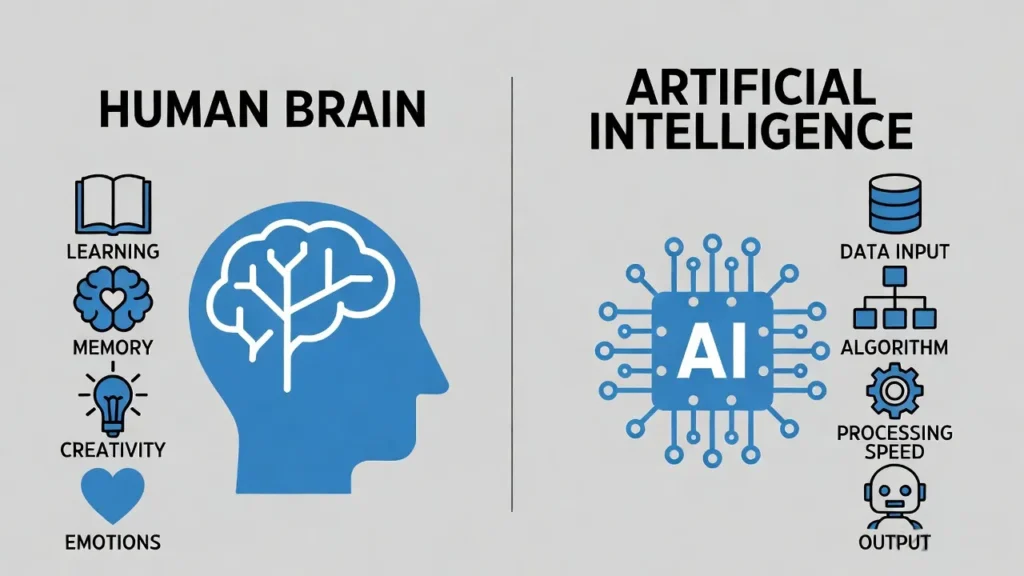
Artificial Intelligence refers to machines or software that can perform tasks that normally require human intelligence. These tasks include learning, reasoning, problem-solving, and understanding language. Modern breakthroughs often depend on what deep learning is and how it powers advanced AI.
Unlike traditional programming, Artificial Intelligence systems learn from data and improve over time. This ability to learn and adapt makes AI more powerful than conventional software.
Instead of being explicitly programmed for every task, AI systems learn from data and improve over time. For a deeper understanding, you can explore artificial intelligence concepts explained by IBM.
⚙️ How Artificial Intelligence Works
AI works by combining data, algorithms, and computing power. It analyzes large amounts of data to identify patterns and make decisions. AI relies heavily on machine learning and how it works in real-world applications.
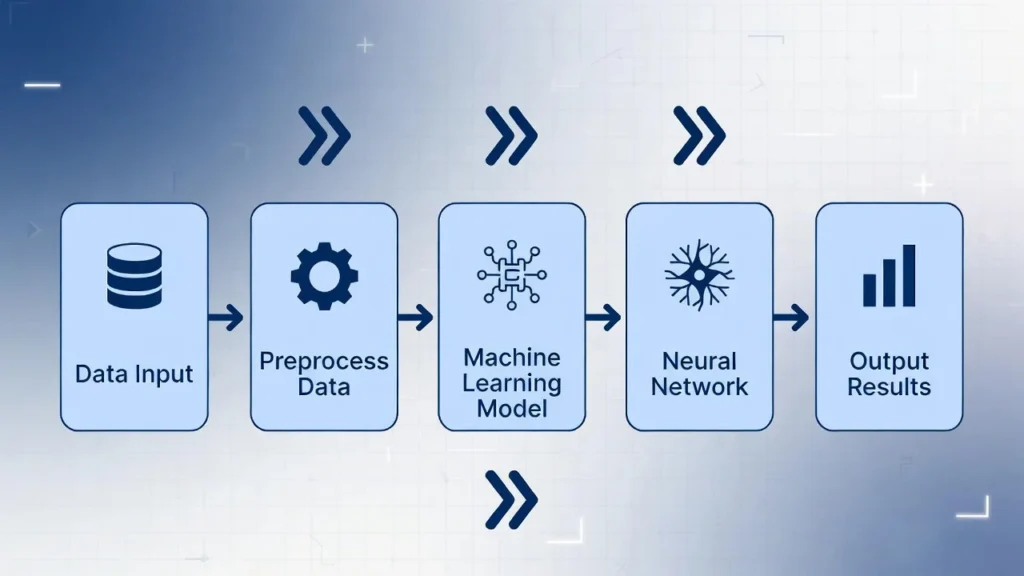
The main components of AI include:
- Data: The foundation of all AI systems
- Algorithms: Instructions that guide decision-making
- Machine Learning: Enables systems to learn from data
- Neural Networks: Mimic the human brain to process information. AI systems use neural networks that learn from data like the human brain.
As Artificial Intelligence systems process more data, they become more accurate and efficient over time. To understand the relationship between different technologies, read AI vs machine learning vs deep learning differences explained.
🧩 Types of Artificial Intelligence
AI can be categorized into three main types:
1. Narrow AI
This is the most common type of Artificial Intelligence today. It is designed to perform specific tasks such as voice recognition, image processing, and recommendations.
2. General AI
General AI refers to machines that can perform any intellectual task like humans. This level of AI is still under development.
3. Super AI
Super AI is a theoretical concept where machines surpass human intelligence in all aspects. While it is not yet a reality, it represents the future potential of AI.
🚀 10 Powerful Applications of Artificial Intelligence
Artificial Intelligence is already being used in many areas of daily life:
- Smartphones: AI improves camera quality, voice assistants, and typing suggestions
- Healthcare: Helps in diagnosis, treatment planning, and medical research. Explore AI healthcare applications and real-world use cases.
- Finance: Detects fraud and automates financial decisions
- E-commerce: Provides personalized product recommendations
- Education: Supports adaptive learning and virtual tutors
- Transportation: Enables self-driving cars and traffic optimization
- Cybersecurity: Detects threats and prevents cyber attacks
- Customer Support: AI chatbots provide instant assistance
- Content Creation: Generates text, images, and videos
- Smart Homes: Controls devices like lights, security systems, and appliances
These applications show how AI is becoming a part of everyday life. You can explore detailed examples in artificial intelligence in everyday life and how AI is changing the world around us.
⚖️ Benefits of Artificial Intelligence
AI offers several advantages:
- Faster and smarter decision-making
- Increased productivity and efficiency
- Reduction in human error
- Ability to work 24/7 without fatigue
- Personalized user experiences
AI helps both businesses and individuals achieve better results with less effort.
⚠️ Challenges of Artificial Intelligence
- Data privacy concerns
- Job displacement risks
- Bias in AI systems
- High development cost
Understanding these challenges is important for responsible AI use.
🔮 Future of Artificial Intelligence
The future of AI is extremely promising. It will continue to grow and influence industries such as healthcare, education, robotics, and finance. As technology advances, AI will become more accessible and more integrated into daily life.
Many innovations already use deep learning examples in everyday life, including healthcare and smart devices.
AI is expected to create new job opportunities, improve decision-making, and solve complex global problems. Learning AI today will help you stay ahead in the digital future. One major impact is on employment.
Learn more in AI and jobs and how artificial intelligence is reshaping the workforce.
🧾 Conclusion
Artificial Intelligence is no longer a concept of the future—it is shaping the present in powerful ways. From improving daily convenience to transforming entire industries, AI is becoming an essential part of modern life. By understanding AI, beginners can build a strong foundation and prepare for a world driven by intelligent systems.
As AI continues to evolve, those who understand it will have a significant advantage in career growth, innovation, and adapting to new technologies. This makes learning AI not just useful, but essential in today’s digital age.
FAQ
What is artificial intelligence in simple words?
AI is a technology that helps machines think, learn, and make decisions like humans.
Where is artificial intelligence used?
AI is used in smartphones, healthcare, banking, education, transportation, and online recommendations.
Is artificial intelligence the future?
Artificial intelligence is expected to play a major role in future technology, automation, and everyday life.